

A three-year-old may call it a flower soup. An eight-year-old may call it mermaid water for a tiny, faraway shore. Ask what age enjoys potion play, and the truest answer is this: the age of a child who wants to pour, mix, notice, and make up a story beside someone they love.
Potion play has a wide little window. It can meet children differently from ages 3 through 10, without asking them to do it one particular way. There is no finished picture to copy. A scoop of fizz, a splash of color, a petal, a pinecone, and suddenly the bowl holds a whole world.
For parents, that flexibility is part of the beauty. You do not need to know the right words or plan the right activity. You can sit down, hand over the spoon, and see where the afternoon goes.
What age enjoys potion play most?
Children from about 3 to 10 often find something to love in potion play, but their interests shift as they grow. The materials can stay wonderfully simple while the stories, choices, and ways of playing change.
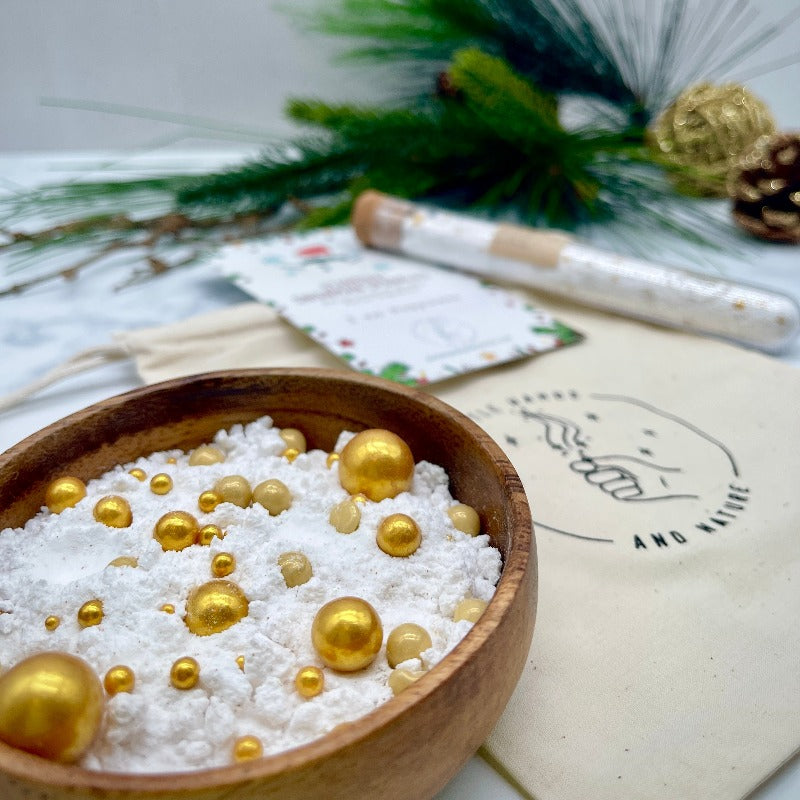
At the younger end, children often enjoy the immediate things: the sound of ingredients falling into a bowl, the swish of a wooden spoon, the surprise of fizzing color. They may pour a little, pour a lot, then begin again. The moment lives in their hands.
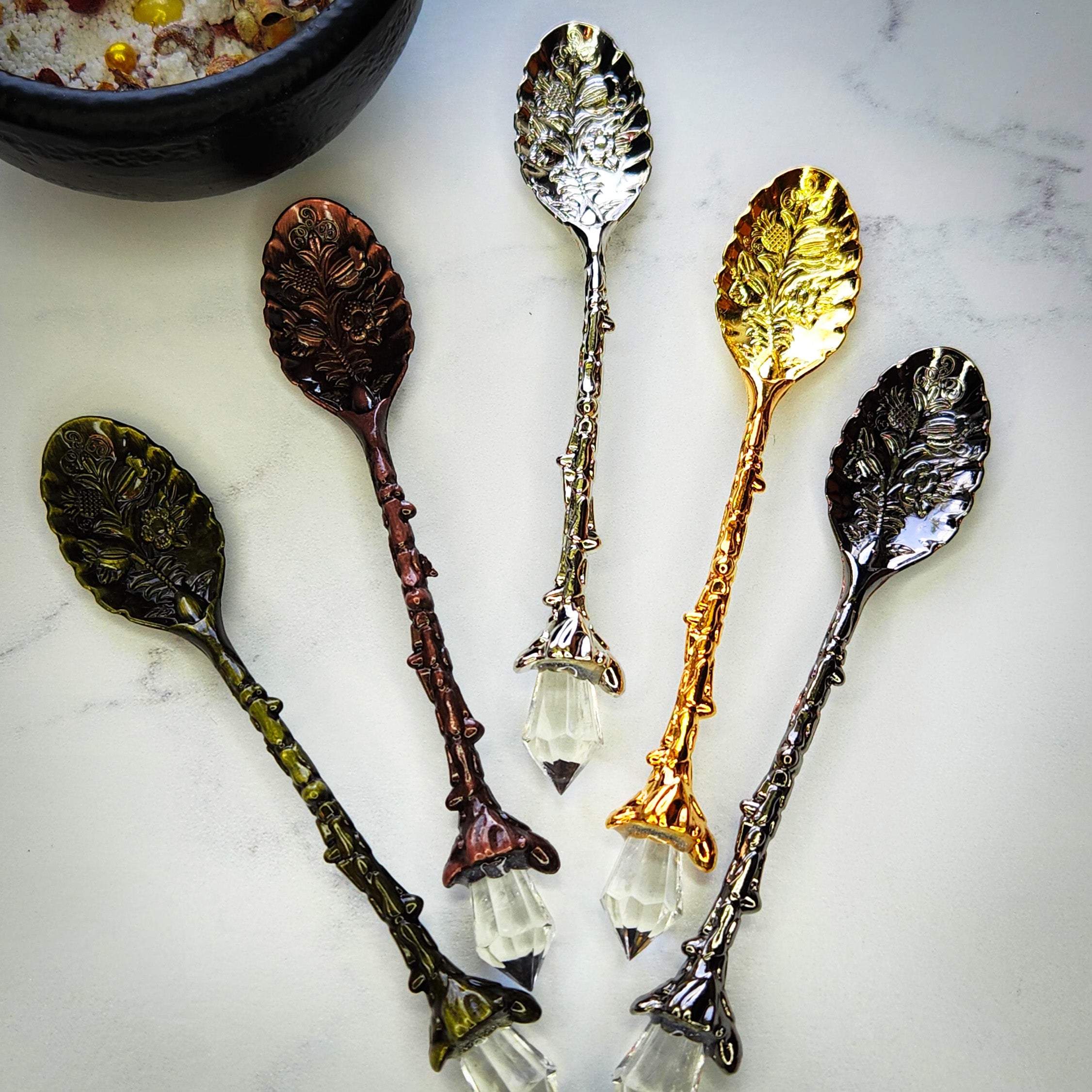
Children in the middle years may linger over choices. Which crystal spoon belongs in the Fairy Crystal potion? Should this one have rose petals or moss? They may name their creations, arrange treasures around the tray, and invite you into the story.
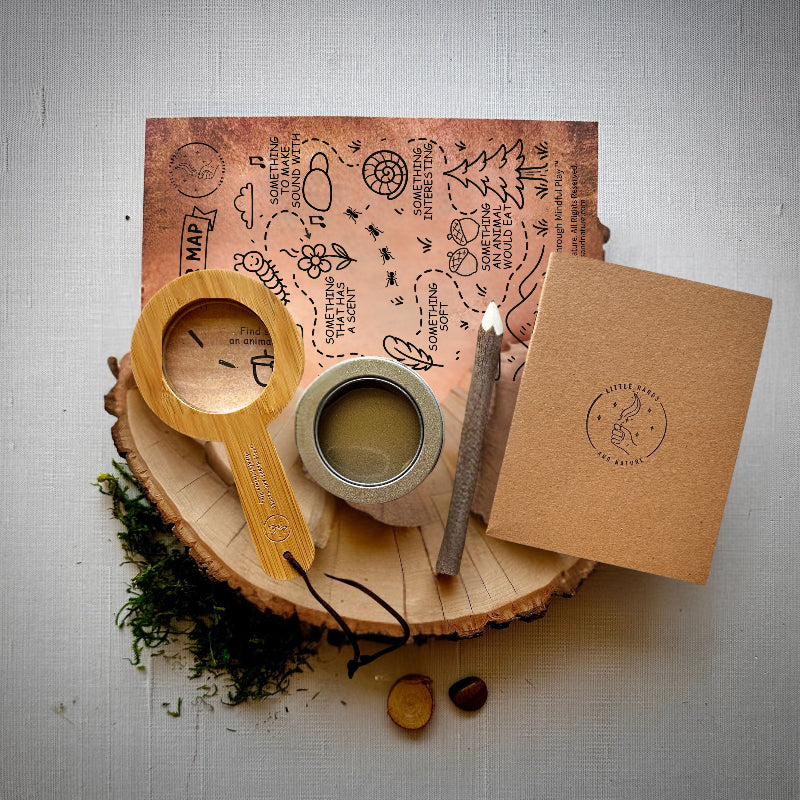
Older children often bring more detail to the same open-ended materials. A potion can become part of a garden world, a secret recipe for a stuffed animal, or an elaborate color experiment with many small bowls. They are still mixing and watching, but they are also building a place of their own imagination.
That is why potion play can last longer than parents expect. It does not ask a child to age out of wonder. It simply gives them room to meet it in a new way.
Ages 3 to 5: Big moments in small hands
For many preschoolers, potion play is about action and surprise. A child can scoop a fizzy ingredient into a bowl, add liquid, and watch the surface wake up. The response is right there. No waiting. No complicated setup.
This age often enjoys having a few beautiful things within reach rather than a crowded table. A small tray, a bowl, a wooden tool, and a handful of nature-inspired ingredients can be plenty. You might hear a running commentary, or you might sit together in companionable quiet while they repeat the same pour again and again.
An adult stays close at this age, both to share the moment and to make sure materials are used as intended. Choose non-toxic potion-play materials, follow the guidance on the kit, and keep any small accessories for times when a grown-up is right there at the table.
There is no need to stretch the play into a project. Ten soft minutes can be a whole afternoon's bright spot.
Ages 6 to 8: Stories begin to bloom
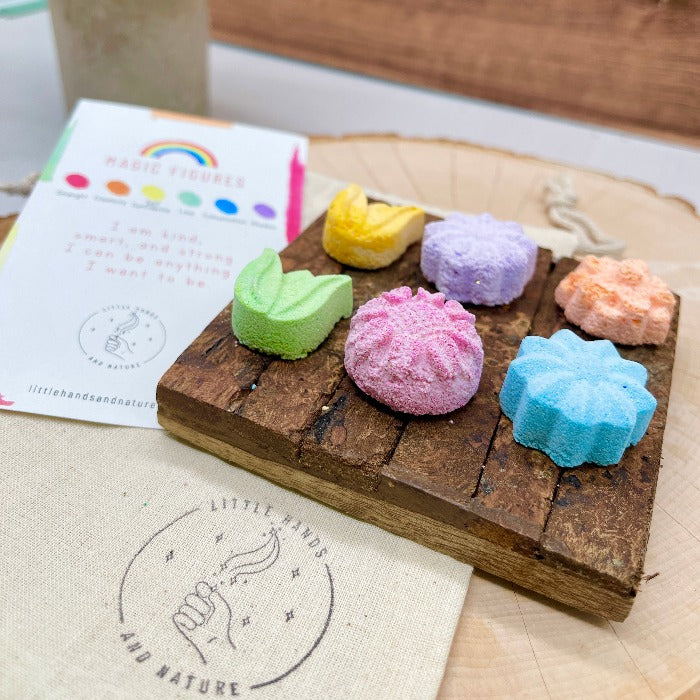
Around the early school years, children often start giving potions a purpose. A blue mixture might belong to a Mermaid's Magic lagoon. A green one might help a little wooden animal find its way through an imaginary forest. They may decide the rules, change the rules, and explain every detail with great seriousness.
This is a lovely age for themed ingredients and accessories because they offer a gentle first thread to pull. A shell, a flower-shaped spoon, a tiny wooden scoop, or a shimmer of color can be enough to begin. The child takes it from there.
You do not have to perform along with them. Sometimes being present is as simple as asking, “What are you making?” Then waiting for the answer. Other times, they will hand you a bowl and ask you to make your own. Let yours be silly, beautiful, mysterious, or very, very purple.
Potion play can also work well when a day has felt busy. The setup is contained, the materials are inviting, and there is no pressure to make something worth displaying afterward. When you are done, the potion can simply have been what it was: a little shared bit of make-believe.
Ages 9 to 10: More layers, still plenty of wonder
Older children may want more ingredients, more bowls, or a longer story. They might create a menu of potions for siblings, make a landscape around their mixing area, or experiment with how different amounts of fizz and liquid look together.
Some children this age will want company for the whole process. Others may happily take the lead while you stay nearby, admiring the results and joining in when invited. Both are welcome ways to play.
This is also an age when a small potion pouch can make a thoughtful gift. It feels special without needing a huge occasion, and it leaves room for the child to decide what the experience becomes. For a birthday table or gathering, individual potion play can give each child their own little patch of wonder while everyone shares the same happy hum of mixing and pouring.
The age matters less than the invitation
Age ranges are useful when choosing materials, but they cannot tell you exactly what will catch your child’s attention on a given day. Some children want bold colors and plenty of fizz. Some want quiet bowls, soft petals, and a slow stir. Some will play for five minutes, then return to it after dinner with a brand-new idea.
The best potion play meets them where they are.
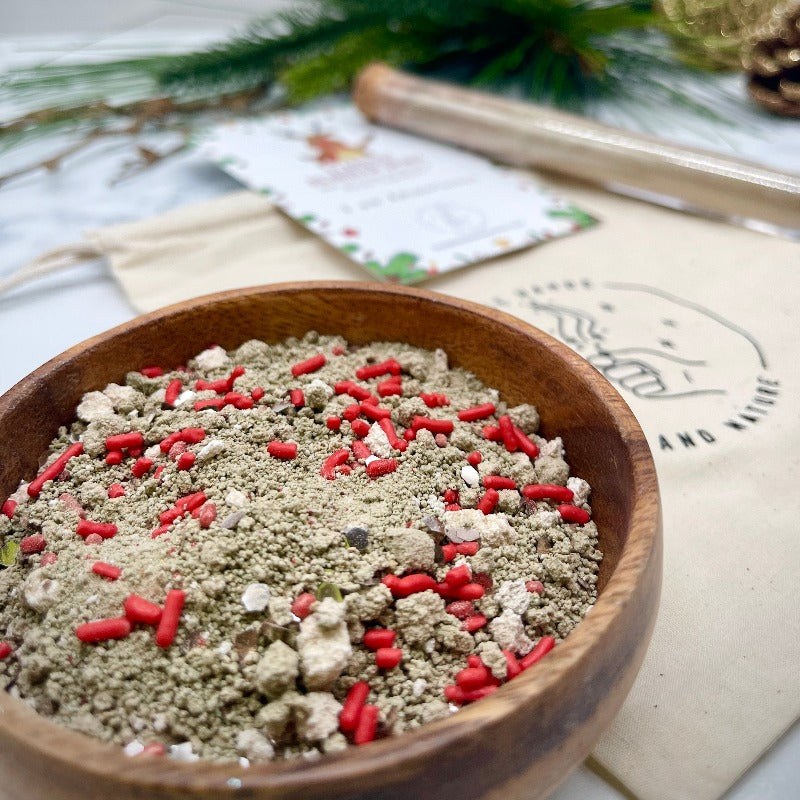
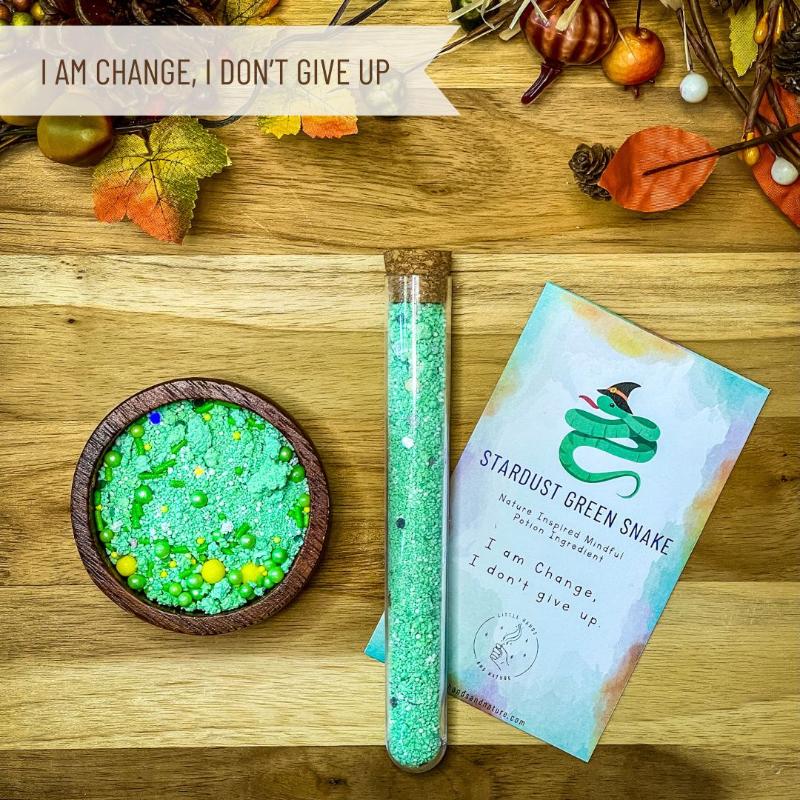
It also meets you where you are. If gathering supplies from around the house sounds like one more thing, a ready-to-open kit can make the difference. Little Hands and Nature makes nature-inspired potion play with non-toxic ingredients, handmade in the United States, so the table can be ready without a late-night search for bowls, colors, tools, and something that might fizz.
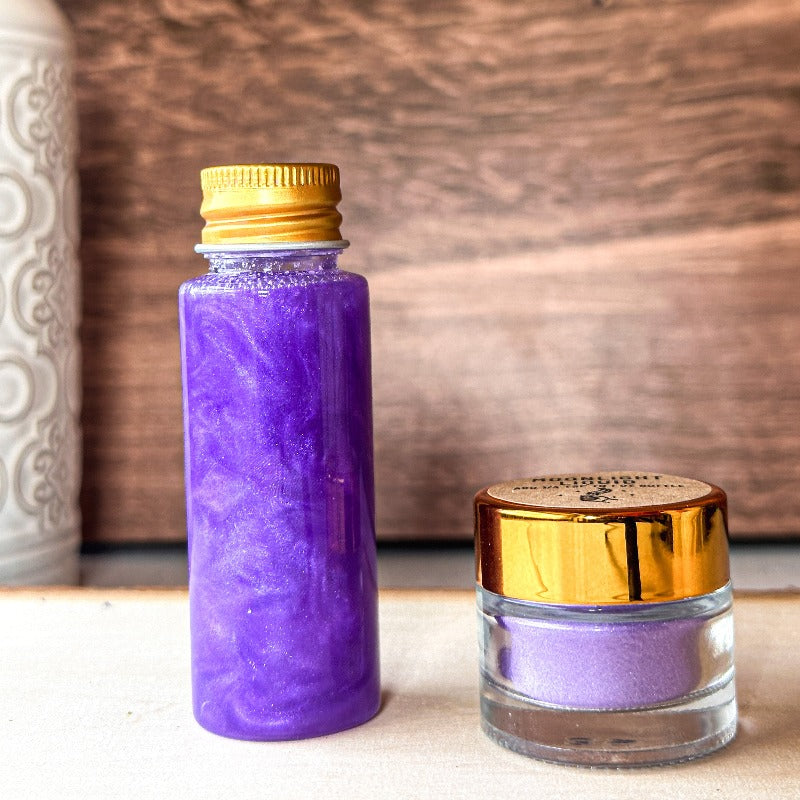
A full kit can be a beautiful first experience. Mini pouches work well for a small surprise or travel-friendly play. Refills let a favorite bowl and spoon keep their place in the family rhythm, season after season. The point is not to collect more things. It is to have a simple invitation ready when you want one.
How to make potion play feel good for every age
Start smaller than you think you need to. Put out a bowl or tray, a little water or the liquid included for play, and a few ingredients. Let your child notice what is there before adding more. A calm, open table often holds attention better than a table filled edge to edge.
Stay nearby and let the child choose the direction. You can offer a question if it feels natural: “What color do you think this will become?” “Who is this potion for?” “Should we add one more scoop?” But silence is welcome too. A child who is busy stirring may be telling a whole story without saying a word.
Keep the materials for play only, not for eating or drinking. When the mixing is finished, carry the used potion to the sink or outdoors as appropriate for the materials, then rinse the tools and save the rest for another day.
Most of all, release the idea that you need to make the moment impressive. Potion play does not need a perfect photo, a lesson, or a clever ending. It needs a little room, a few lovely materials, and someone willing to wonder alongside a child.
Tonight, that might be just one bowl on the kitchen table. That is enough. Let them choose the first scoop, and see what appears.