


There is a moment that happens during potion play that is easy to miss.
A child carefully sprinkles flower petals into a bowl of water. They stir slowly. They watch the colors swirl. Then, almost without realizing it, they begin talking.
"This potion is for courage."
"This one is for when I miss Grandma."
"This one helps me feel calm."
What looks like simple sensory play often becomes something much deeper.
Children rarely express their emotions through long conversations. They express them through movement, imagination, stories, and play. This is one of the reasons sensory Montessori activities have remained so valuable for generations. They create space for children to explore their inner world naturally, without pressure or expectation.
At Little Hands & Nature, we believe childhood should be felt, not rushed. We believe play is how children discover who they are. When sensory experiences are combined with imagination, nature, and meaningful connection, something powerful happens.
Potion play becomes more than an activity.
It becomes a practice.
It becomes a language.
And it becomes a beautiful pathway toward emotional intelligence.
The Importance of Emotional Intelligence in Early Childhood

Emotional intelligence is the ability to recognize, understand, express, and respond to emotions. For young children, these skills form the foundation for healthy relationships, resilience, communication, and confidence. Long before children learn academic concepts, they are learning how to navigate feelings.
Before children can manage their emotions, they must first learn to recognize them.
Emotional intelligence is the ability to identify feelings, understand them, express them, and respond to them in healthy ways. These skills influence friendships, confidence, resilience, communication, and wellbeing throughout life.
For young children, emotional development doesn't happen through lectures or worksheets.
It happens through experience.
A child learns empathy when they care for someone.
They learn patience when they wait.
They learn confidence when they overcome a challenge.
And they learn emotional awareness through play.
Montessori education has long recognized that children learn best when they are actively engaged with their environment. Hands-on experiences allow learning to move beyond information and become something embodied.
This is why sensory Montessori experiences are so valuable. They invite children to engage with textures, colors, scents, movement, and imagination while simultaneously developing emotional awareness.
The child isn't simply learning about feelings.
They're experiencing them.
Understanding Potion Play: What Is It?
Potion play is an open-ended sensory experience where children mix natural ingredients, water, botanicals, colors, textures, and imaginative elements to create their own magical brews.
There are no right answers.
No perfect outcomes.
No instructions to follow exactly.
Instead, children are invited into a world of wonder and discovery.
A bowl becomes a cauldron.
Petals become ingredients.
Water becomes possibility.
Potion play often includes elements such as:
- Dried flowers and botanicals
- Natural sensory ingredients
- Fizzy elements
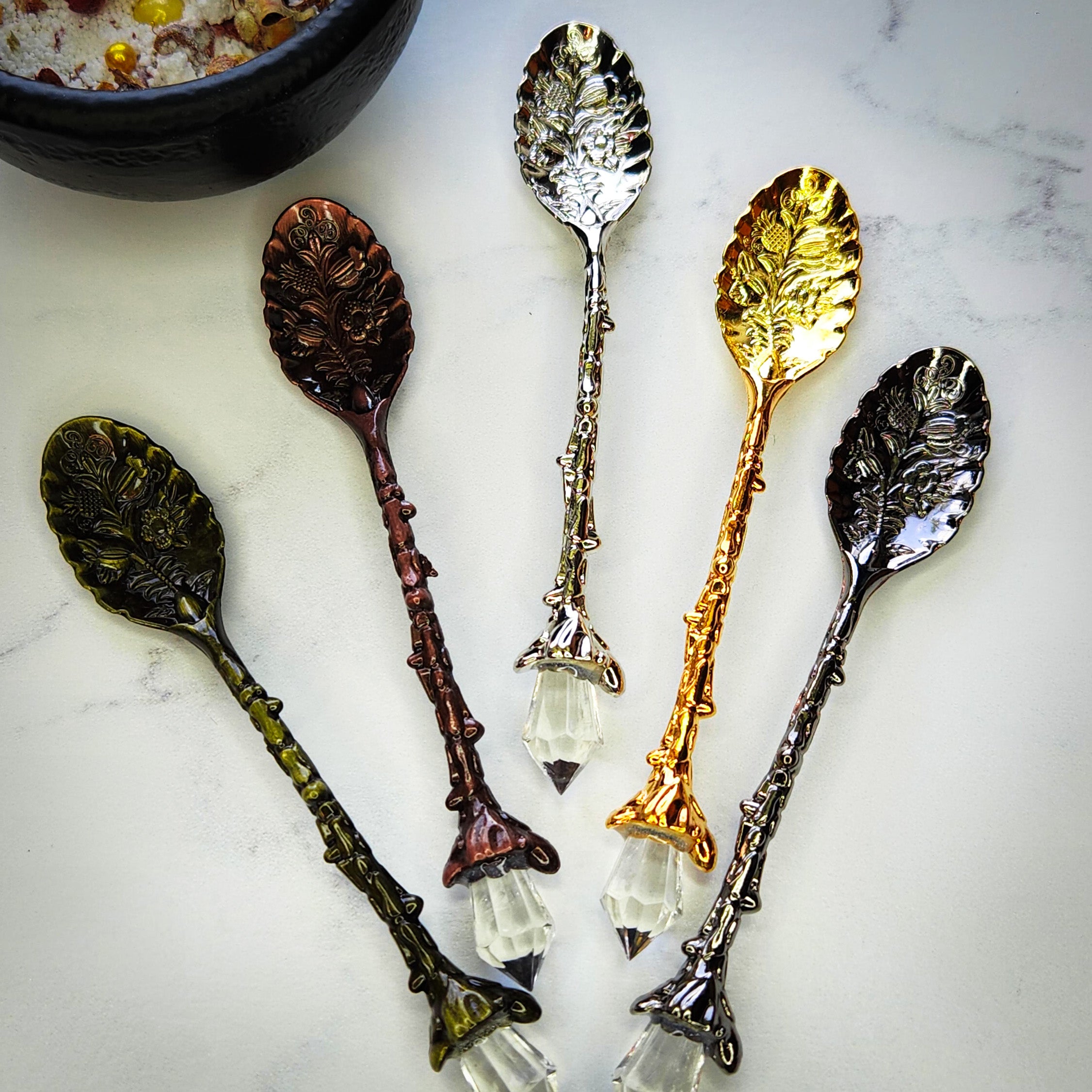
- Water and sensory tools
- Crystals, stones, or nature treasures
- Affirmations and storytelling prompts
Unlike structured crafts, potion play remains open-ended. Each child creates their own meaning, their own stories, and their own experiences.
This freedom aligns beautifully with both sensory Montessori principles and emotional development.
Families can begin their journey with the Potion Ingredients Collection, which provides nature-inspired materials designed for open-ended sensory exploration.
Benefits of Potion Play in Developing Emotional Skills

When children engage in potion play, they are often exploring much more than colors and textures.
They are exploring themselves.
Emotional Expression Feels Natural
Children sometimes struggle to find words for complex feelings. Potion play creates a safe bridge. A child may find it easier to create a "friendship potion" or a "bravery potion" than to explain exactly how they feel.
The symbolic nature of play allows emotions to emerge naturally.
Self-Regulation Through Sensory Experiences
Many sensory Montessori activities help children regulate their nervous systems.
The simple actions of pouring, stirring, scooping, mixing, and observing create calming rhythms that encourage focus and presence.
The body slows down.
Breathing softens.
Attention settles.
This regulation creates the foundation for emotional growth.
Confidence Through Creative Freedom
Potion play has no single outcome. Children make choices independently.
They experiment.
They trust their ideas.
Each decision strengthens self-confidence and encourages children to believe in their own creativity.
Empathy and Perspective Taking
Children often create potions for others.
A potion for kindness.
A potion for a sibling.
A potion for a friend who feels sad.
These imaginative experiences help children consider other people's feelings and develop empathy.
Building Emotional Vocabulary
When parents or educators gently invite reflection, children begin naming emotions connected to their creations.
Happy.
Calm.
Excited.
Brave.
Curious.
Over time, emotional vocabulary grows naturally through meaningful experiences.
How Potion Play Aligns with Montessori Principles

Montessori education values independence, hands-on learning, child-led discovery, and respect for the natural world. Potion play naturally supports these principles.
At first glance, potion play may seem whimsical and imaginative, while Montessori education is often associated with structure and independence.
Yet beneath the surface, they share many of the same principles.
Child-Led Exploration
Montessori environments encourage children to follow their curiosity. Potion play does the same.
The child chooses ingredients, experiments with combinations, and directs the experience.
The adult becomes a guide rather than an instructor.
Hands-On Learning
Maria Montessori believed children learn through direct interaction with their environment.
Potion play engages the senses fully. Children learn by doing.
They touch.
Pour.
Observe.
Mix.
Create.
Learning becomes embodied.
Independence and Choice
Potion play offers meaningful opportunities for decision-making. Every ingredient selected and every story created strengthens autonomy and self-trust.
Connection to Nature
Nature is central to Montessori philosophy. Natural materials help children develop respect, curiosity, and appreciation for the world around them.
Potion play often incorporates petals, herbs, leaves, stones, water, and seasonal treasures, creating a direct relationship with nature.
Process Over Outcome
Perhaps most importantly, Montessori education values process over perfection. Potion play embodies this beautifully. The experience matters more than the final creation.
The journey is the lesson.
Families looking for Montessori-inspired sensory experiences often enjoy the Encanto Potion Kit, designed to encourage imagination and meaningful connection.
Key Ingredients for Effective Potion Play Activities
The most meaningful potion experiences begin with thoughtfully chosen materials. Natural elements encourage children to slow down and engage deeply.
Consider including:
Botanical Elements
Flower petals, lavender, rosemary, mint, leaves, and dried herbs provide rich sensory experiences while strengthening children's connection to nature.
Water
Water remains one of the most captivating sensory materials for children. Its movement, reflection, and fluidity encourage exploration and curiosity.
Fizzy Ingredients
Fizzing reactions add excitement and wonder while supporting scientific thinking and observation.
Sensory Tools
Pipettes, spoons, bowls, jars, scoops, and small containers encourage fine motor development and independence.
Meaningful Prompts
Simple invitations can deepen emotional exploration. Questions like:
"What feeling does this potion hold?"
"Who is this potion for?"
"What does courage look like today?"
Allow children to connect imagination with emotional understanding.
Products such as Magic Flowers and Fizzy Stars add wonder and excitement while maintaining an open-ended approach to play.
- Dried flower petals
- Lavender and herbs
- Leaves and nature treasures
- Water and sensory bowls
- Pipettes and scoops
- Natural loose parts
- Fizzing sensory ingredients
- Affirmation prompts
Tips for Parents and Educators to Facilitate Potion Play
The most powerful potion play experiences often happen when adults let go of expectations.
Instead of directing the activity, become part of the moment.
Begin With Presence
Begin with presence. Before opening ingredients, take a moment to slow down. Children notice the energy adults bring into the experience.
Follow the child’s lead. Resist the urge to direct the outcome. Curiosity is often the best teacher.
Before opening the ingredients, pause.
Take a breath together.
Create a calm environment.
Children sense the emotional tone of the experience.
Follow the Child's Lead
Allow curiosity to guide the activity.
Resist the urge to correct or improve.
Trust the process.
Ask Open Questions
Rather than teaching, invite reflection.
"What are you creating?"
"Tell me about this potion."
"What does this color remind you of?"
These questions encourage deeper thinking without interrupting the flow of play.
Focus on Connection
Focus on connection rather than perfection. The value is not in the finished potion. The value is in the shared experience.
Potion play is not about creating a perfect outcome. It is about sharing a meaningful moment.
Sometimes the most important ingredient is simply sitting beside your child and being fully present.
Real-Life Examples of Potion Play in Montessori Settings
Many Montessori educators already incorporate sensory-rich experiences into their classrooms. Potion play can naturally complement these environments.
A nature table may provide seasonal materials for children to explore. Children may gather petals and leaves during outdoor walks before bringing them inside for sensory exploration.
A classroom focused on emotional development may invite children to create kindness potions or gratitude potions after group discussions.
Some educators use potion play as a transition activity after busy periods, helping children regulate and reconnect with themselves.
The common thread is always the same. Children are given space to explore, create, and make meaning for themselves.
For ongoing inspiration, families can explore the Fizzy Stardust Subscription, which introduces new sensory experiences throughout the year.
Measuring Emotional Intelligence Growth Through Potion Play
Emotional growth is not always measured by numbers. More often, it appears in small everyday moments. A child begins naming feelings. A child shows empathy toward a sibling. A child demonstrates patience, focus, or confidence.
Parents and educators may notice improved emotional vocabulary, increased self-awareness, stronger communication skills, and greater resilience. These are meaningful indicators of emotional intelligence development.
A child who rushed through activities begins slowing down and focusing. Parents and educators may notice:
- Greater emotional vocabulary
- Increased confidence
- Improved self-regulation
- More empathy toward others
- Longer periods of focused attention
- Greater willingness to communicate feelings
These small moments often reveal significant growth.
The goal is not perfection.
The goal is awareness.
The Lasting Impact of Sensory Play on Emotional Development
Childhood is made up of moments that seem ordinary while they are happening. A bowl of water. A handful of petals. A story invented on the spot. Years later, these become the moments children remember.
Not because of the ingredients.
Because of the connection.
Sensory Montessori experiences like potion play offer something increasingly valuable in today's fast-moving world: an invitation to slow down.
They encourage children to explore emotions through creativity.
They nurture confidence through choice.
They strengthen connection through shared experiences.
Most importantly, they remind us that emotional intelligence is not something children are taught.
It is something they grow into through meaningful experiences, trusted relationships, and opportunities to explore who they are.
And sometimes, that journey begins with a potion.
A handful of petals.
And twenty unhurried minutes together.

Explore Nature-Based Potion Play
Bring more wonder, creativity, and connection into your family’s rhythm with Little Hands & Nature. Each kit is created to support imagination, sensory exploration, and emotional growth through open-ended play and gentle ritual.
Popular collections include:
Bring more wonder, creativity, and connection into your family’s rhythm with Little Hands & Nature.
Come back to the moment that matters.
Frequently Asked Questions
What is sensory Montessori play?
Sensory Montessori play is a child-led learning approach that encourages children to explore the world through their senses using hands-on materials, natural objects, movement, and independent discovery. It supports cognitive, emotional, and physical development through direct experience.
How does potion play support emotional intelligence?
Potion play encourages children to identify, express, and explore emotions through storytelling, imagination, and sensory experiences. Children often create potions representing feelings such as courage, kindness, calmness, or friendship, helping build emotional awareness.
Is potion play Montessori aligned?
Yes. Potion play aligns with Montessori principles by encouraging child-led exploration, independence, hands-on learning, creativity, sensory engagement, and connection with natural materials.
What age is potion play suitable for?
Potion play is typically suitable for children aged 3–10 years, depending on the materials used and the level of supervision provided. Older children often engage in deeper storytelling and emotional reflection.
What are the benefits of sensory Montessori activities?
Sensory Montessori activities help develop concentration, fine motor skills, emotional regulation, creativity, independence, problem-solving skills, and confidence while supporting a child's natural curiosity.
What ingredients can be used in potion play?
Safe potion play ingredients may include flower petals, dried herbs, leaves, natural sensory powders, water, fizzy elements, crystals, stones, and other nature-inspired materials designed for children's sensory exploration.
How to Create a Simple Emotional Intelligence Potion Activity
- Fill a bowl with warm water.
- Invite your child to choose natural ingredients.
- Select a feeling to explore.
- Mix ingredients slowly.
- Create a story around the potion.
- Reflect together.