


Rain against the window can make a house feel very small by midmorning. The shoes are damp by the door, plans have changed, and everyone needs something gentle to do with their hands. The best rainy day activity box ideas do not ask you to become a camp counselor. They give you a small, ready-made place to begin together.
A good activity box is less about filling every minute and more about making room for a different kind of afternoon. A scoop of color. A tiny bowl. A question from your child that you would not have heard while rushing out the door. There does not need to be a finished picture at the end.
What makes a rainy day activity box worth opening?
The box matters because the setup matters. When every piece is already gathered, you can say yes without clearing the table, printing a template, or looking for one missing item in a drawer.
For children ages 3 to 10, open-ended materials often have the longest life. A three-year-old may pour and stir for a while. An older child may make a tiny forest café, invent a stormy sea, or decide the blue fizz is dragon rain. Both are welcome.
Choose materials that are non-toxic, sturdy enough for little hands, and simple to put away. A tray or towel beneath the play can make cleanup feel lighter, especially if your child loves a generous pour. And if the day is already full, one small box is plenty.
12 rainy day activity box ideas
1. A potion play box
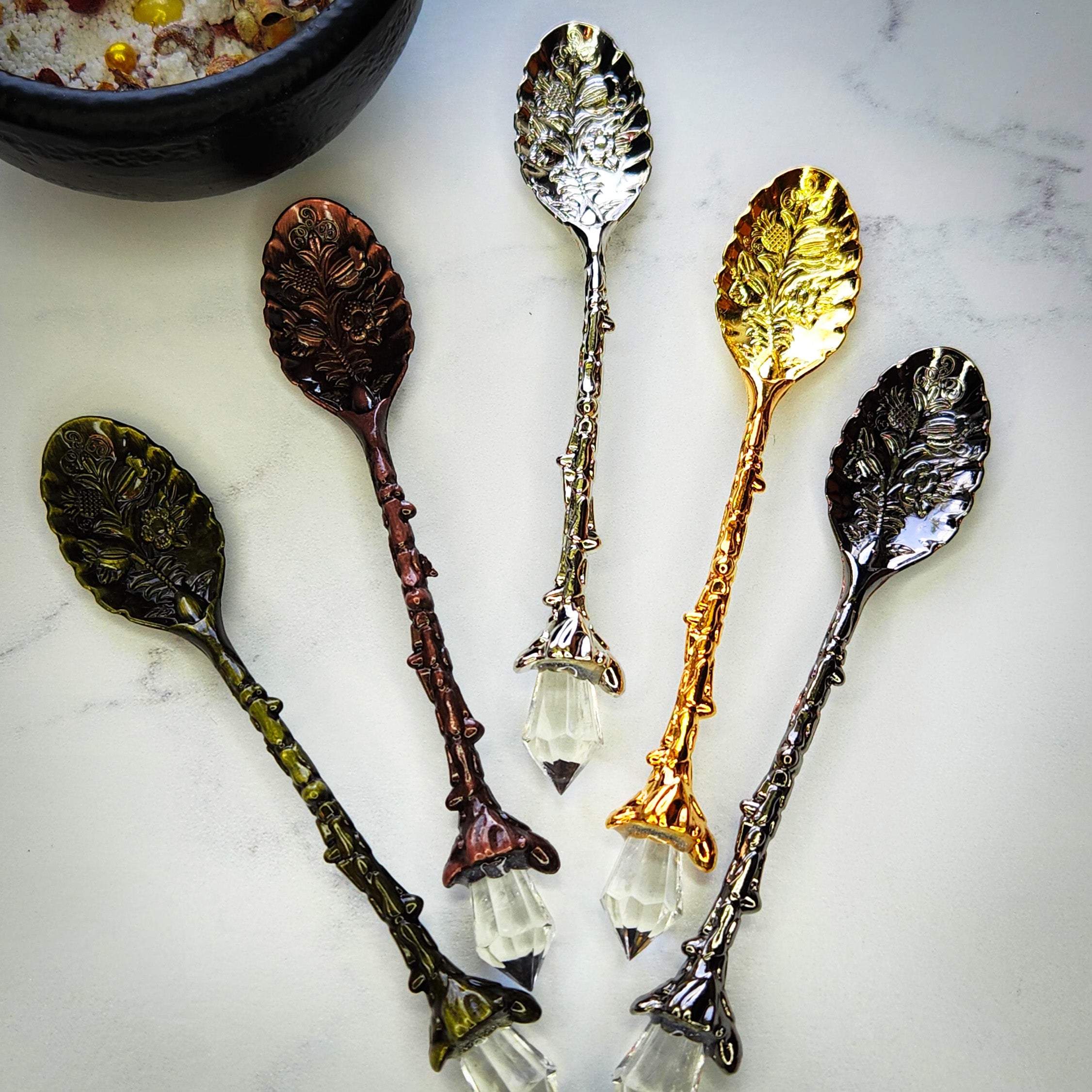
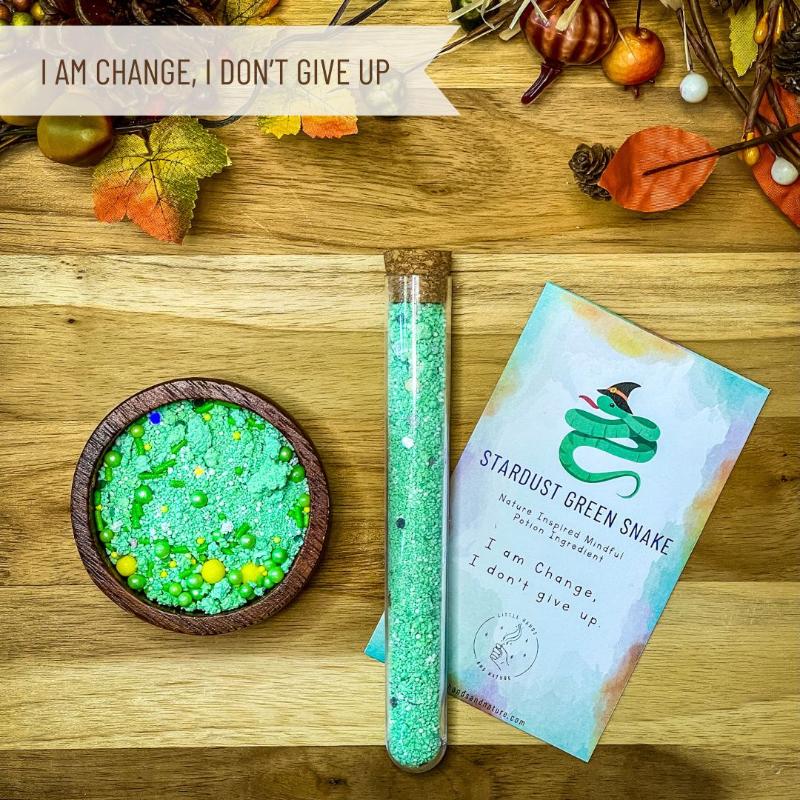
A potion box is made for gray-sky afternoons. Fill it with a small bowl, wooden scoop, crystal spoon, colorful fizzy ingredients, natural-looking petals or leaves, and a little water in a separate container. Your child can mix, pour, watch the fizz rise, and name what they have made.
There is no recipe to follow and no right ending. Sit beside them and make your own small potion. You might call it Puddle Sparkle or Rainy Forest Glow. The point is the shared wondering, not getting it right.
2. A garden-after-the-rain box
Bring the feeling of the backyard indoors with smooth stones, bark pieces, large faux leaves, wooden cups, and little nature figures. Add a shallow tray with kinetic sand or play dough if that suits your home.
Children can build a hiding place for a snail, make a muddy path, or create a tiny garden after a big storm. This one is especially lovely when the rain has made everyone curious about what is happening outside, but going out still feels like too much.
3. A color-mixing water box
A few clear cups, droppers, water, and washable liquid color can hold attention in the simplest way. Start with two or three colors instead of a full rainbow. Watching yellow meet blue is still a little bit wonderful.
Keep this box on a tray and give it a clear boundary: the water stays in the tray. Some children will carefully make new colors. Others will fill and empty the same cup again and again. Both kinds of play count.
4. A tiny bakery box
This is make-believe baking without needing an actual oven or real ingredients. Include wooden bowls, scoops, cupcake liners, play dough, dried flower shapes, and a few small containers for “sprinkles.”
Your child may open a bakery for woodland animals or make a birthday cake for a stuffed bear. You can be a customer who orders a purple muffin with ten sparkles. Let the story move at their pace.
5. A fairy crystal garden box
A handful of crystals, wooden tools, mossy-looking pieces, small cups, and flower-shaped accessories can become a quiet little world. The appeal is in arranging, moving, and returning to the scene later.
A box like this does not need many pieces. In fact, fewer beautiful items can leave more room for imagination. A child might line the crystals along a path, hide them in a garden, or use them as treasure in a story they are making up as they go.
6. A rainy-window art box
Set out washable window crayons or paint markers, a soft cloth, and a small bowl for holding supplies. Invite your child to draw raindrops, clouds, puddles, or whatever they see beyond the glass.
This is a nice choice when the weather itself feels like part of the activity. It also keeps the work contained in one bright little area rather than spreading paper across the whole kitchen table. Be sure to choose supplies meant for washable window use and test a small spot first.
7. A mud kitchen indoors box
No actual mud required. Brown play dough, wooden spoons, small bowls, pinecones, and nature-shaped loose parts can make an indoor mud kitchen feel just as satisfying. A lidded container of dry oats or sand-like play material can add another texture if you are comfortable with it.
Your child can make soup for a stuffed fox, a pie for a rainy picnic, or a very serious batch of acorn stew. Keep the materials clearly for play, not for eating, and let the mess stay on a tray.
8. A nature sorting box
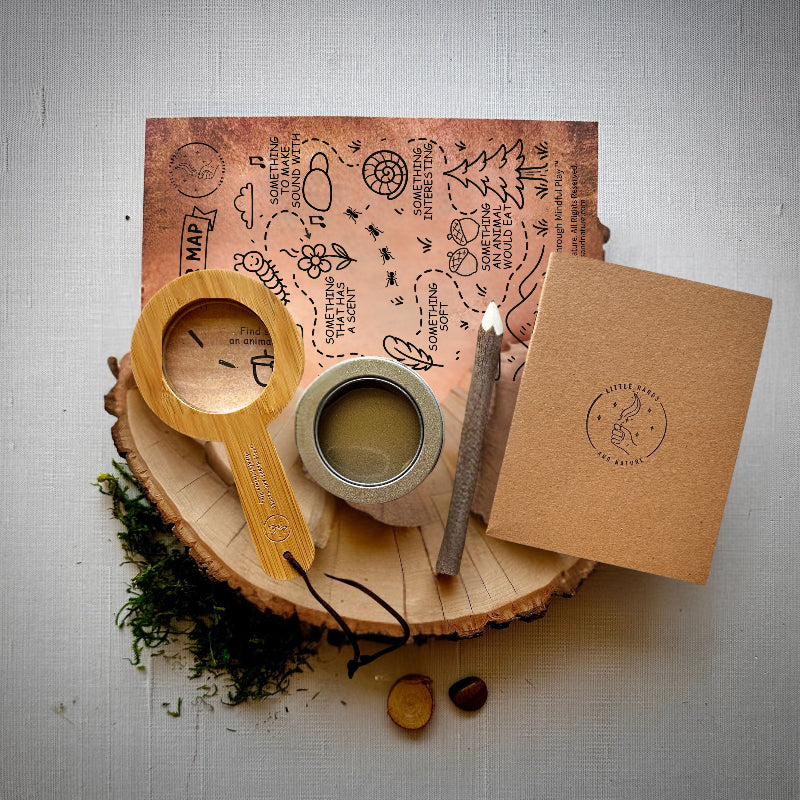
This box is a quieter kind of invitation. Include a few sections or small bowls and a collection of safe, larger nature items such as pinecones, smooth stones, seed pods, and wooden discs. You can sort by color, shape, size, or simply by what feels like it belongs together.
There is no need to turn it into a lesson. You might notice that two stones feel different in your hands, or wonder aloud where a seed pod came from. Often that is enough to begin a long conversation.
9. A Mermaid’s Magic box
For a child drawn to the sea, gather blue and green fizzy ingredients, shells, clear cups, scoops, and shimmering accessories. A tray becomes the ocean. A bowl becomes a hidden cove.
This kind of box works beautifully with a little water, though it can be just as fun dry. Your child may make mermaid treasure, stormy waves, or a secret sea garden. The rainy day outside becomes part of the story instead of something to work around.
10. A woodland animal café box
A few animal figures, tiny cups and plates, wooden spoons, fabric scraps, and play dough are enough for a café in the woods. Add leaves or flowers from a nature-themed set for a seasonal touch.
This idea is especially good for siblings or friends because everyone can have a role without needing to agree on one plan. One child may cook. Another may arrange the tables. You can arrive as a very hungry rabbit with an unusual order.
11. A build-a-treasure box
Fill a small box with ribbons, large beads, smooth stones, wooden tokens, mini envelopes, and small containers. The child decides what counts as treasure and where it belongs.
Some children will create a collection. Others will hide treasures around the room and draw a simple map. If there are younger siblings nearby, choose larger pieces and stay close so the materials remain suited to everyone sharing the space.
12. A seasonal surprise box
A rainy day can be a lovely time to notice the season. In spring, choose petals, green shades, and raindrop colors. In autumn, reach for acorns, warm orange fizz, and leaf shapes. Winter might bring silver, white, pine, and frosty blue.
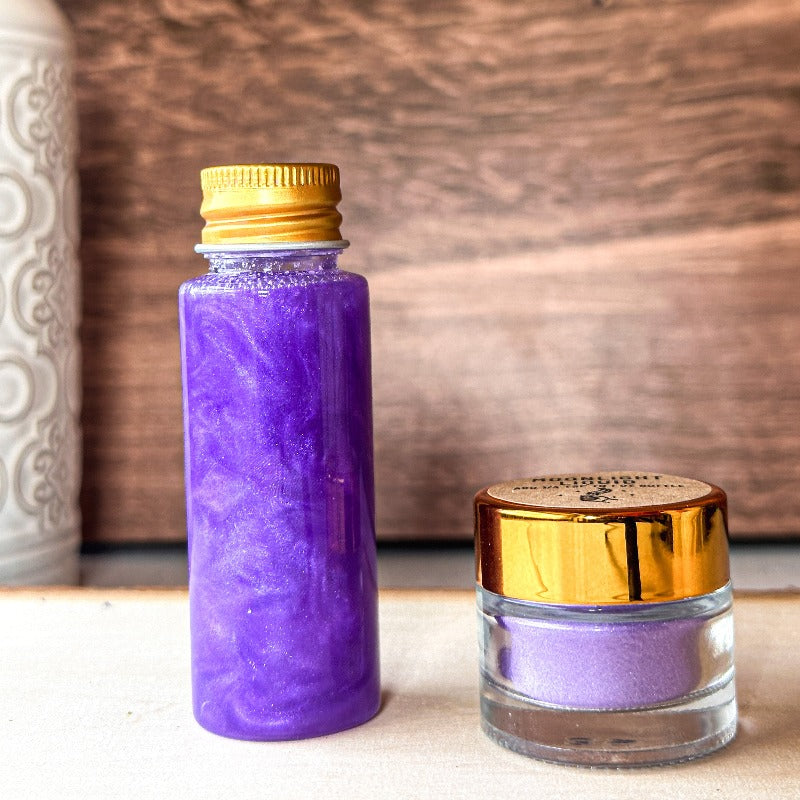
A seasonal subscription or refill collection can keep this easy over time. The familiar tools remain, while fresh ingredients and colors give hands something new to explore. Little Hands and Nature makes this kind of Potion Play with non-toxic ingredients, handmade in the United States, so the box can arrive ready for the moment rather than becoming another thing to plan.
A few ways to keep the box simple
Store the activity in a basket or lidded bin that can come down when the weather shifts. You do not need twelve boxes at once. One or two that change with the season can be more than enough.
It also helps to keep the invitation small. Put out a bowl, a scoop, and two colors first. More can always be added. A child who wants to build a whole rain forest will find a way to ask; a child who only wants to stir for ten minutes has had a full afternoon too.
Rain will pass. The little blue cup will eventually be rinsed and put away. But a child may remember that on a wet day, someone sat on the floor nearby and wondered with them.
With care,
Little Hands and Nature