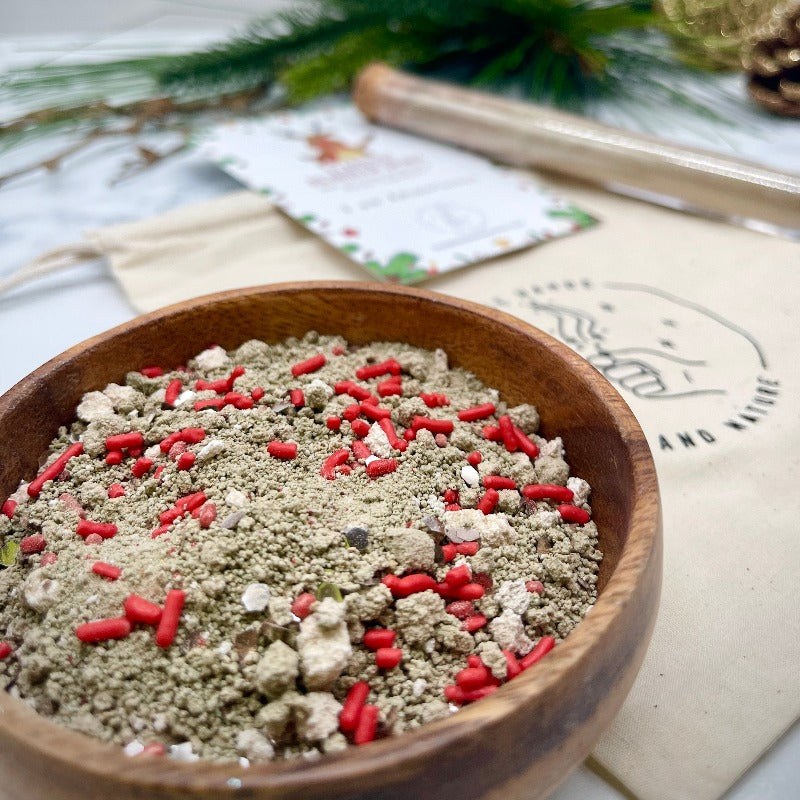
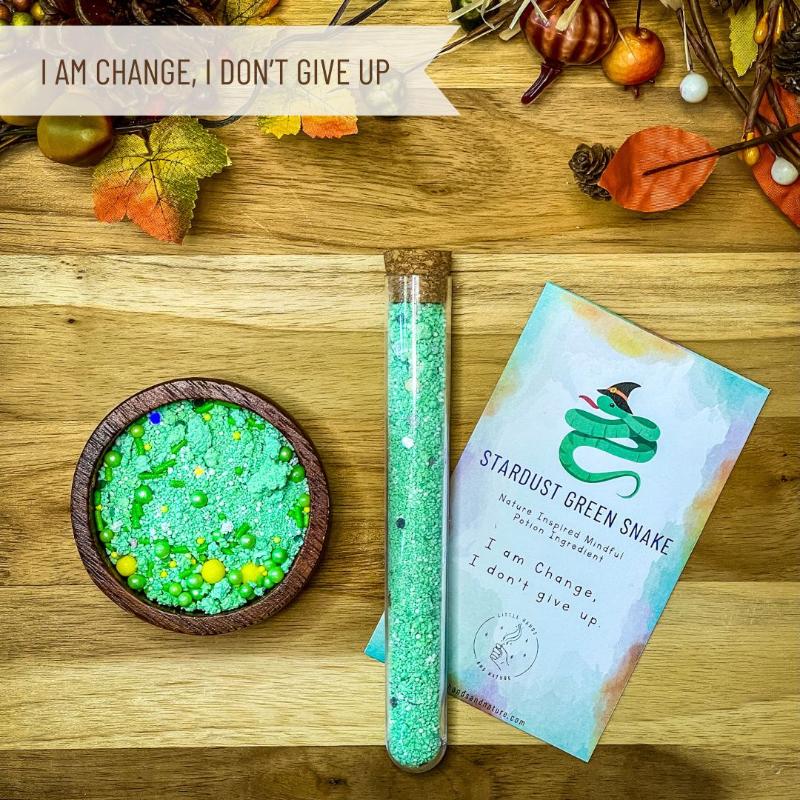

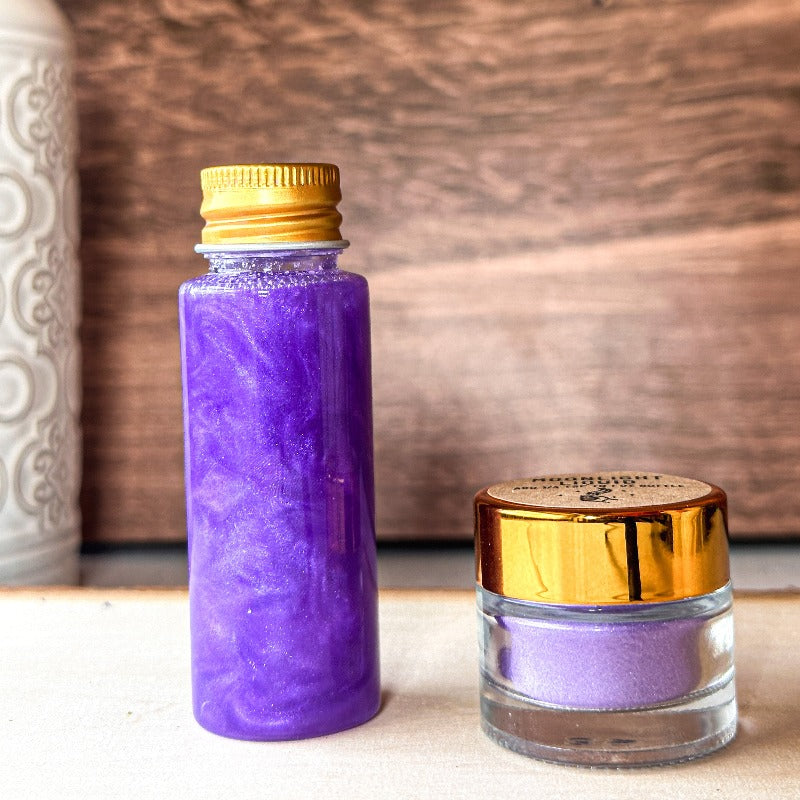

The rosemary has been crushed between small fingers. A spoonful of fizz is waiting in a bowl. Someone decides the water has turned into Mermaid’s Magic, and suddenly the kitchen table feels less like the place where everyone rushes past each other.
That is nature play. Not a perfect outing. Not a lesson plan. Just a small opening where children can notice, make, pour, gather, and tell a story - with a grown-up close enough to wonder alongside them.
For many families, the hardest part is not wanting more of these moments. It is finding one that does not require a trip to the store, an hour of preparation, or a carefully cleared afternoon. Nature play can be simple enough to begin right where you are.
What Nature Play Can Look Like at Home
Nature play is often pictured as muddy boots, wide-open fields, and children building forts beneath the trees. It can be all of that. But it can also be a handful of flower petals in a jar, smooth stones lined up on a windowsill, or a potion bowl set out on a rainy Tuesday.
The heart of it is the invitation to work with natural-looking materials in an open-ended way. A child might combine colors, scoop fizzy ingredients, float leaves, arrange crystals, or make a tiny world for an imaginary woodland creature. There is no finished picture to copy and no single result to get right.
That freedom matters because it leaves room for the child’s own ideas. A purple mixture may be a fairy pond. A bowl of moss and pebbles may be a dinosaur’s breakfast. The same collection of materials can become something entirely different the next day.
For the grown-up, the job is wonderfully small. Sit nearby. Offer a bowl when one is needed. Ask, “What do you think it needs next?” Then let the story unfold. You do not have to know what the potion is becoming before they do.
Outside is lovely. Inside counts, too.
A walk outside can be a beautiful beginning. Children can gather fallen leaves, notice acorns, listen for birds, or choose one interesting rock to bring home. Still, nature play does not need good weather, a backyard, or a free Saturday.
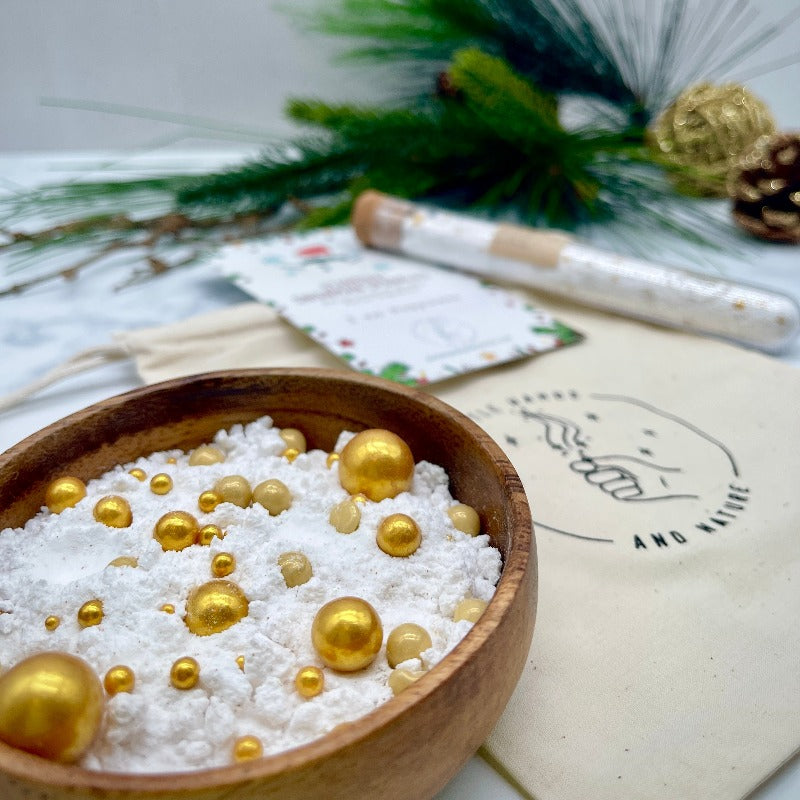
A tray on the floor can hold just as much wonder. A few wooden tools, a little water, dried botanicals, and ingredients that fizz can turn an ordinary afternoon into a place to linger. This is especially true when the materials are already gathered and ready, rather than waiting on a parent’s late-night shopping list.
Some days, a family will want to head outside and get dirt under their nails. Other days, the kindest option is a contained activity at the table while dinner begins to simmer. Both are real ways of being close to nature, and both can make room for imagination.
Why Nature Play Feels Different
Many children’s activities are built around an end point: finish the picture, build the model, follow the steps. There is nothing wrong with a clear project. Sometimes a child wants to make the thing on the box.
Nature play offers another kind of experience. The materials change in the child’s hands. Water moves. Colors blend. Fizz rises and fades. A pinecone, shell, or flower becomes part of a story that did not exist five minutes ago.
That change gives everyone something to watch together. It takes the pressure off conversation, too. You do not need a big family moment or a perfect question. Often, connection arrives quietly: when you both lean in to see what happens after one more scoop, or when your child looks up to show you the color they made.
There is a particular comfort in activities that do not ask children to perform. They can be chatty, quiet, focused, silly, or ready to switch ideas halfway through. Potion play has room for all of it.
Making Nature Play Easy to Say Yes To
The best nature play setup is not necessarily the biggest one. It is the one you can bring out without turning the whole day upside down.
Start with a small surface that can get a little messy: a tray, baking dish, shallow bin, or a towel on the floor. Add one or two vessels for mixing and a few simple tools for scooping and pouring. If you are gathering your own materials, keep it simple: fallen leaves, large smooth stones, seed pods, petals already on the ground, or a pinch of dirt for a tiny mud kitchen.
Water changes almost everything. A small pitcher or cup lets children pour, rinse, and begin again. If you are using fizzy ingredients, a little water creates that lovely moment of movement and surprise. Keep play materials for play, and choose non-toxic ingredients made for children’s hands.
There is no need to place every item out at once. A smaller offering can feel more spacious, especially for a child who likes to focus deeply. You might begin with a bowl, a spoon, water, and one color. The next time, add petals or a few stones. Let the collection grow with the season and with your child’s curiosity.
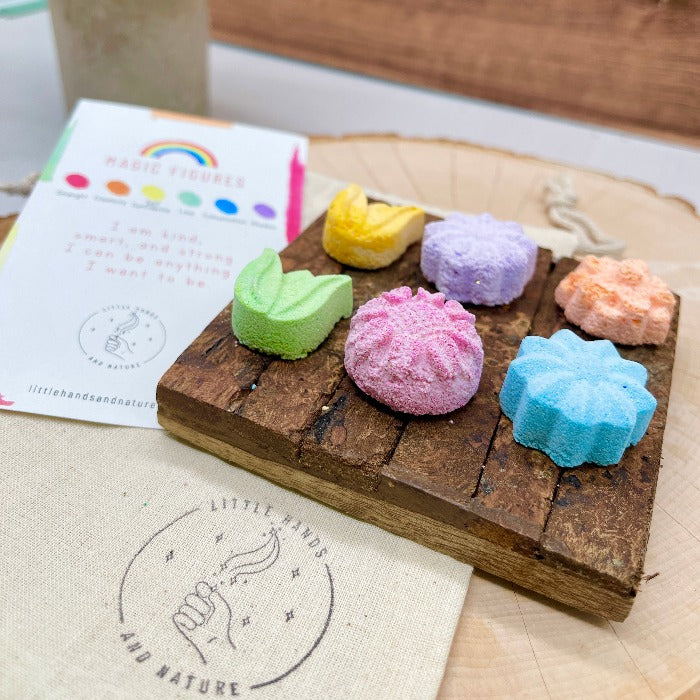
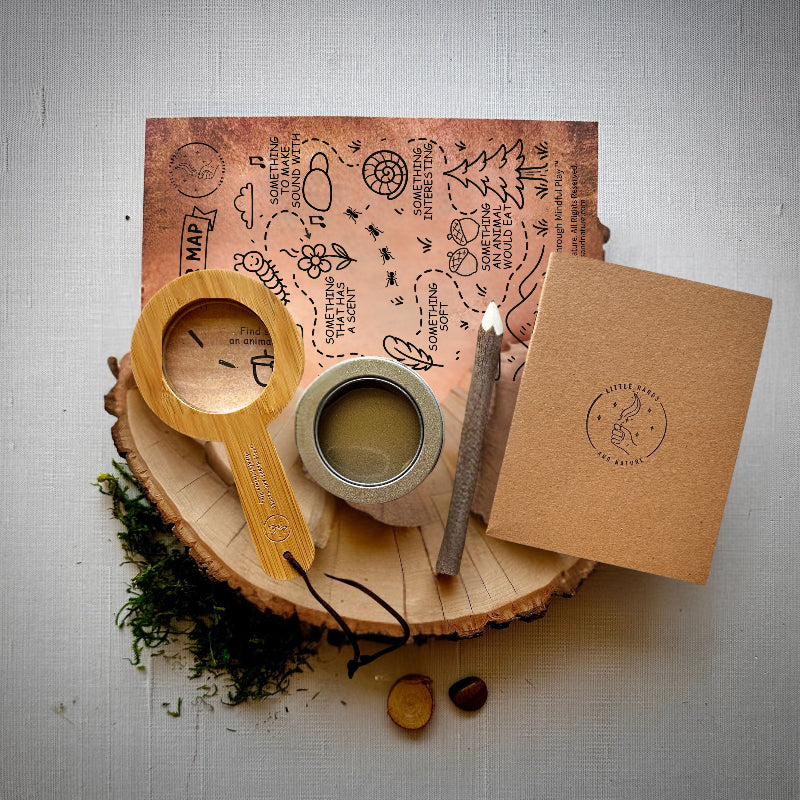
A ready-made kit can also be a gentle answer when gathering supplies is one more thing you do not have time for. Little Hands and Nature creates handmade, non-toxic Potion Play kits in the United States with the bowls, fizzy ingredients, tools, and themed details already waiting inside. Open the box, and the moment can begin.
A few small ways to stay in the moment
Try to resist the urge to name the finished result too quickly. If you call it a fairy potion before your child has decided, the story may close before it has had time to open. Instead, notice what is happening: “That green is getting darker,” or “I hear the fizz.”
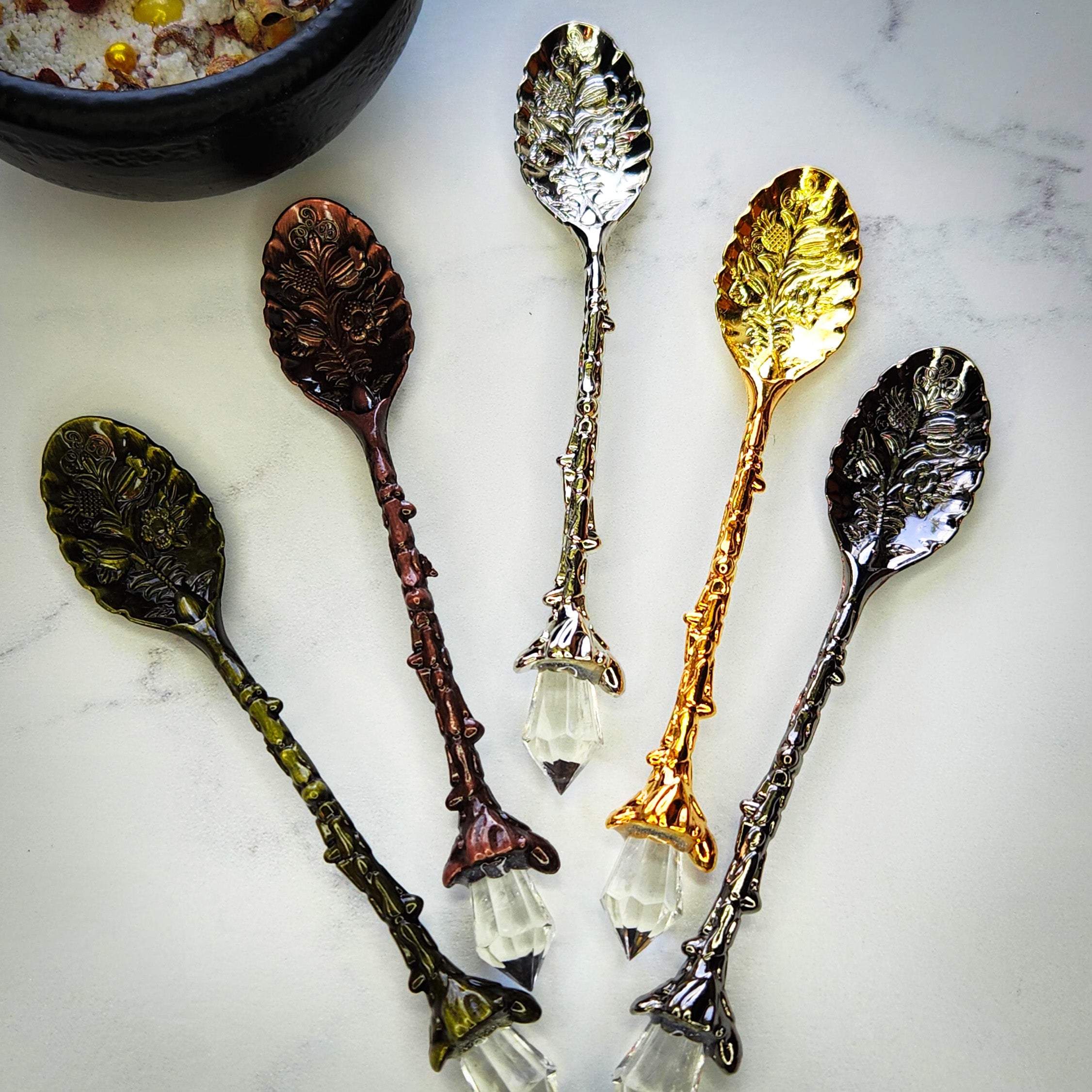
Follow their pace. Some children want to mix every color immediately. Others may spend ten quiet minutes moving one crystal spoon between two tiny bowls. Neither needs correcting.
And when the play is done, it does not have to end with a grand display. Sometimes the potion sits on the porch for a while. Sometimes the materials are poured out, rinsed away, and made new tomorrow. The value was never in saving the final bowl. It was in the time spent making it together.
Nature Play Through the Seasons
The changing year gives nature play a rhythm without requiring much planning. Spring may bring soft greens, flower petals, and rainwater in a cup. Summer can feel bright and sunny, with citrus colors, shells, and imaginary beach potions.
In fall, children often notice what is dropping and turning: leaves, acorns, seed pods, and shades of amber. Winter has its own quiet materials - pine sprigs, bare branches, icy colors, and warm indoor bowls of fizz when the light goes early.
You do not have to preserve every seasonal treasure or make an activity out of every walk. One leaf carried home in a pocket is enough. One shared bowl of potion play can be enough, too.
A little nature play will not make the calendar less full. But it can make a small pocket inside the day feel different. Hands are busy. Shoulders soften. Someone gets to say, “Look what I made,” and someone else is there to see it.
That is a lovely place to begin.