

The best activity is not always the one with the most pieces, the brightest box, or the longest promise of keeping children busy. Often, it is a small invitation waiting on the kitchen table: a bowl, a spoon, a few lovely materials, and room for everyone to wonder what might happen next.
Learning how to choose non toxic activities can feel like one more thing to sort through when your day is already full. It does not have to become a research project. A few clear questions can help you choose play that feels good to bring home, simple to begin, and warm enough to draw you down to the floor beside your child.
Start with what the activity asks of your child
Before reading the label, look at the feeling of the activity itself. Does it leave room for a child to pour, mix, arrange, imagine, and begin again? Or does it ask them to follow a narrow set of steps toward one finished result?
There is a place for a project with a clear beginning and end. Sometimes children want to make the picture on the box. But open-ended play holds a different kind of afternoon. A handful of petals can become soup for a fairy garden. A wooden scoop can be a treasure tool. A fizzy potion can be a bubbling pond, a moon mixture, or simply something beautiful to watch.
Choose materials that offer possibility without requiring you to become the director. You do not need a clever idea ready. Sitting nearby and saying, “I wonder what will happen if you add more water,” is plenty.
How to choose non toxic activities without overthinking it
“Non-toxic” is a useful starting point, not the whole story. It tells you that a maker is considering what goes into the activity, but it is still worth looking for clear, plain information about the materials and how they are meant to be used.
A thoughtful activity company should be able to tell you what is inside, offer age guidance, and explain basic use and cleanup. If the description is vague, it is reasonable to pause. You are not looking for a perfect answer to every possible question. You are looking for care that is easy to see.
For young children, small pieces and loose materials deserve extra attention. Consider where the activity will happen, whether an adult will be nearby, and what your particular child tends to do with tiny treasures, powders, water, or tools. Non-toxic does not mean edible, and potion play is for mixing, pouring, and imagining - never for tasting or drinking.
It also helps to notice what is already in your home. A child with known sensitivities may need a closer look at ingredient details. A favorite shirt may be better saved for another day. A tray, towel, or outdoor table can make a messy moment feel much easier to welcome.
Look for honest materials and clear care
The words on the front of a package matter less than the details a brand is willing to share. Look for straightforward descriptions rather than grand promises. Are the ingredients identified? Are the tools and accessories described? Is there guidance for storage, use, and cleaning up?
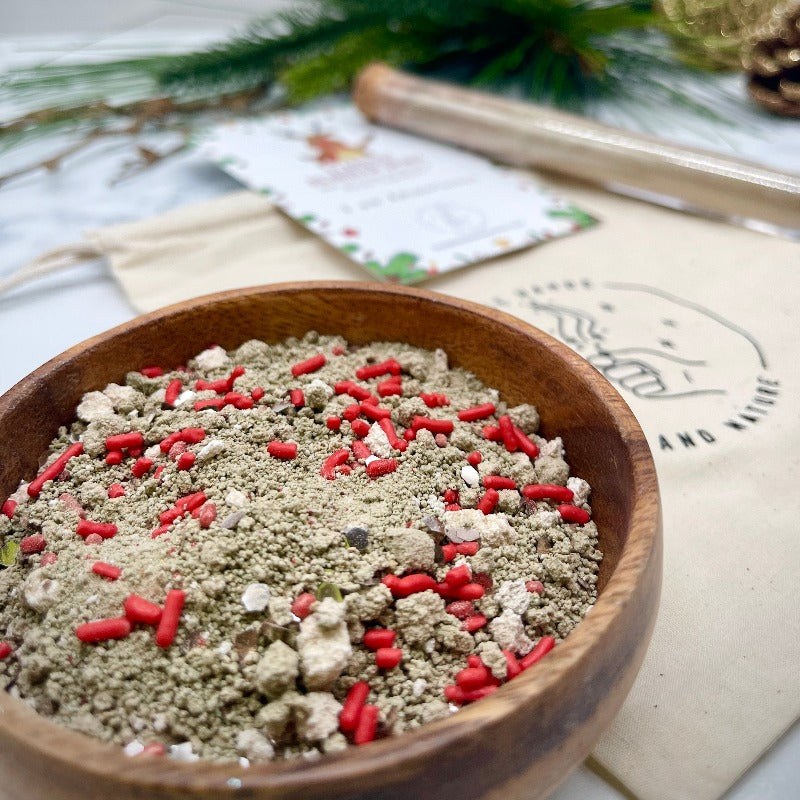
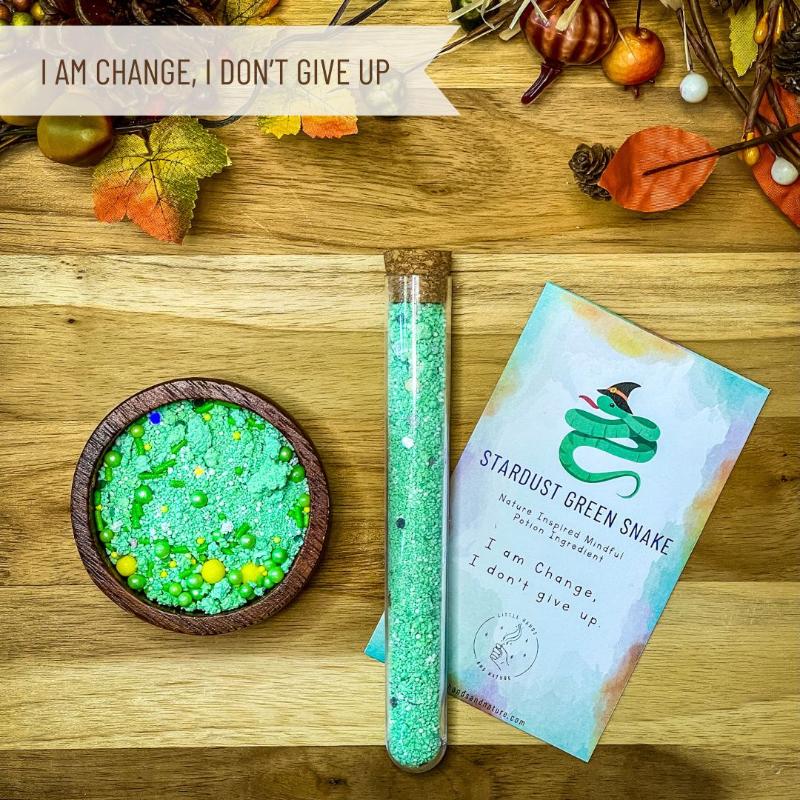
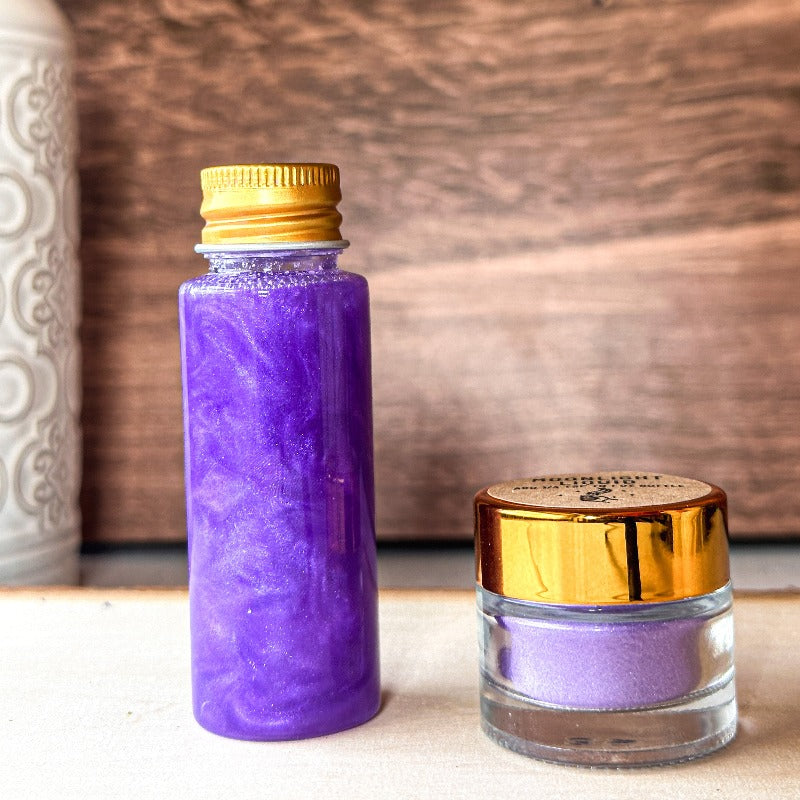
For nature-inspired activities, materials may look wonderfully simple: dried botanicals, colored fizz, natural-looking treasures, wooden tools, or water-based play elements. Simple can be lovely, but it should not mean mysterious. You deserve to know what your child’s hands are touching.
Handmade items can carry a special kind of care because someone has packed and checked them by hand. They may also have small variations in color, shape, or botanical pieces. That is part of their charm. What matters is that handmade does not replace clear information. The two belong together.
When buying a ready-to-open kit, check whether the maker explains shipping timing, especially if items are made by hand in the United States. Knowing what to expect makes it easier to plan a birthday afternoon, a rainy Saturday, or a quiet visit with a grandparent.
Choose play with room to linger
A non-toxic activity can still miss the moment if it is too complicated to set up. The most inviting options remove the scramble: no last-minute run for supplies, no twelve tabs open on your phone, no wondering whether you have the right glue, cup, or container.
Ready-to-play does not mean overly packaged or overly directed. It means the essentials are gathered with intention. A small pouch can be enough for a little ritual at the table. A fuller kit can hold a longer stretch of shared play, with ingredients to scoop, liquids to pour, and pieces to arrange in new ways.
Think about the rhythm of your household. On a busy weekday, a simple activity that opens quickly may be the right fit. On a slow weekend morning, you might choose something with more layers and refills for a second round. Neither choice is better. The right activity is the one that meets the day you actually have.
Let nature be an invitation, not another task
Nature-inspired play does not require a forest, a perfect backyard, or a collection of jars lined up on a shelf. It can begin with sunlight on the table, a bowl of water, a pinecone found on a walk, or colors that feel like the season outside.
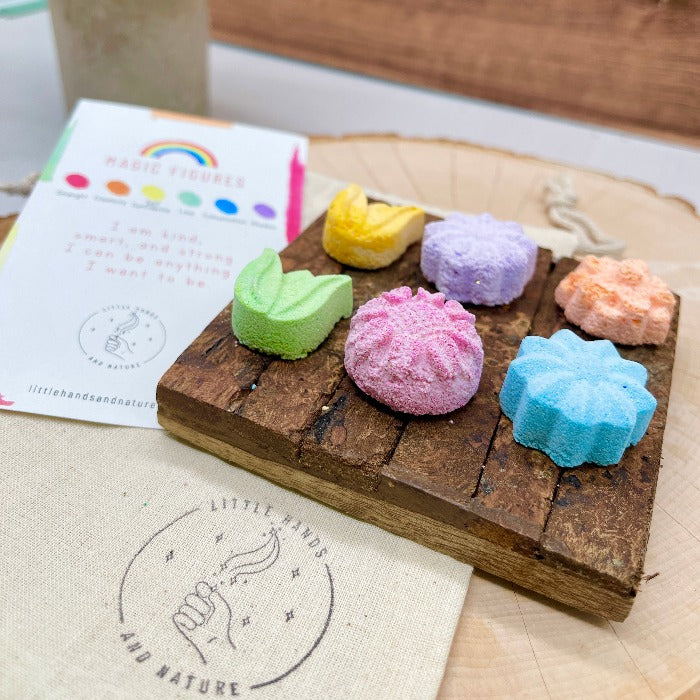
Look for activities that honor that sense of noticing. Gentle colors, botanical textures, wooden tools, and loose parts can bring a little of the outdoors close, even on a day spent inside. Children often make their own connections. You may see a green fizz become spring rain or a scatter of flowers become a hidden garden.
If you collect materials outdoors, keep it simple and local. Choose items you recognize, avoid anything that could irritate skin, and wash hands when play is done. A nature activity does not need to be elaborate to feel rooted. Sometimes a leaf floating in a bowl is enough to begin a story.
Notice whether the activity welcomes you, too
Some activities are designed for a child to do alone. That can be useful. But when you are choosing something for a shared pocket of time, look for an invitation that has room for two sets of hands.
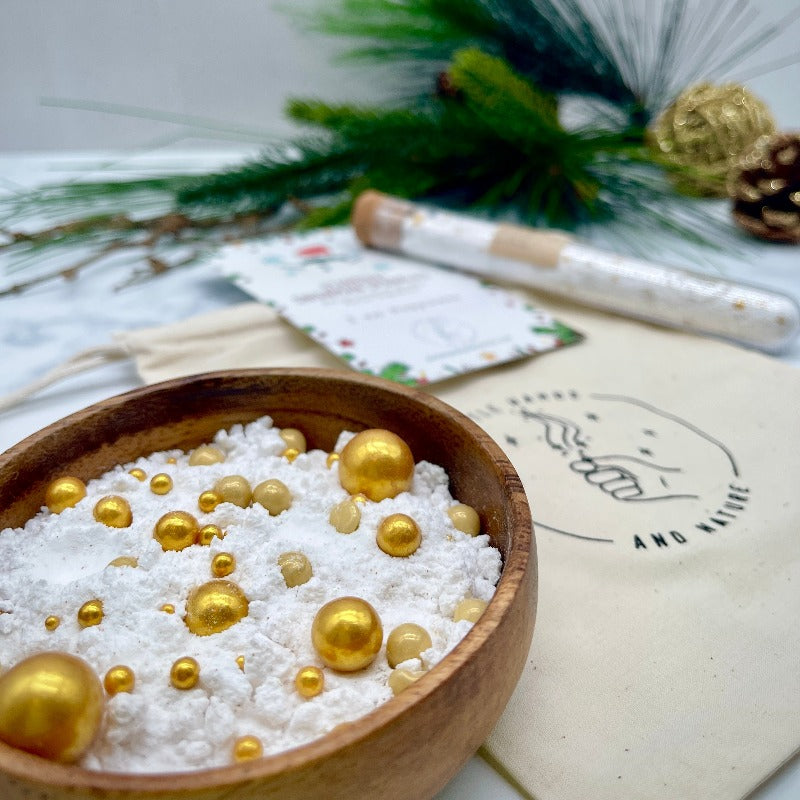
Potion play is especially lovely for this. One person can hold the bowl while the other adds a spoonful of fizz. You can take turns choosing a color or deciding what the mixture might become. There is no correct story to reach, which leaves more space to listen to the story your child is already telling.
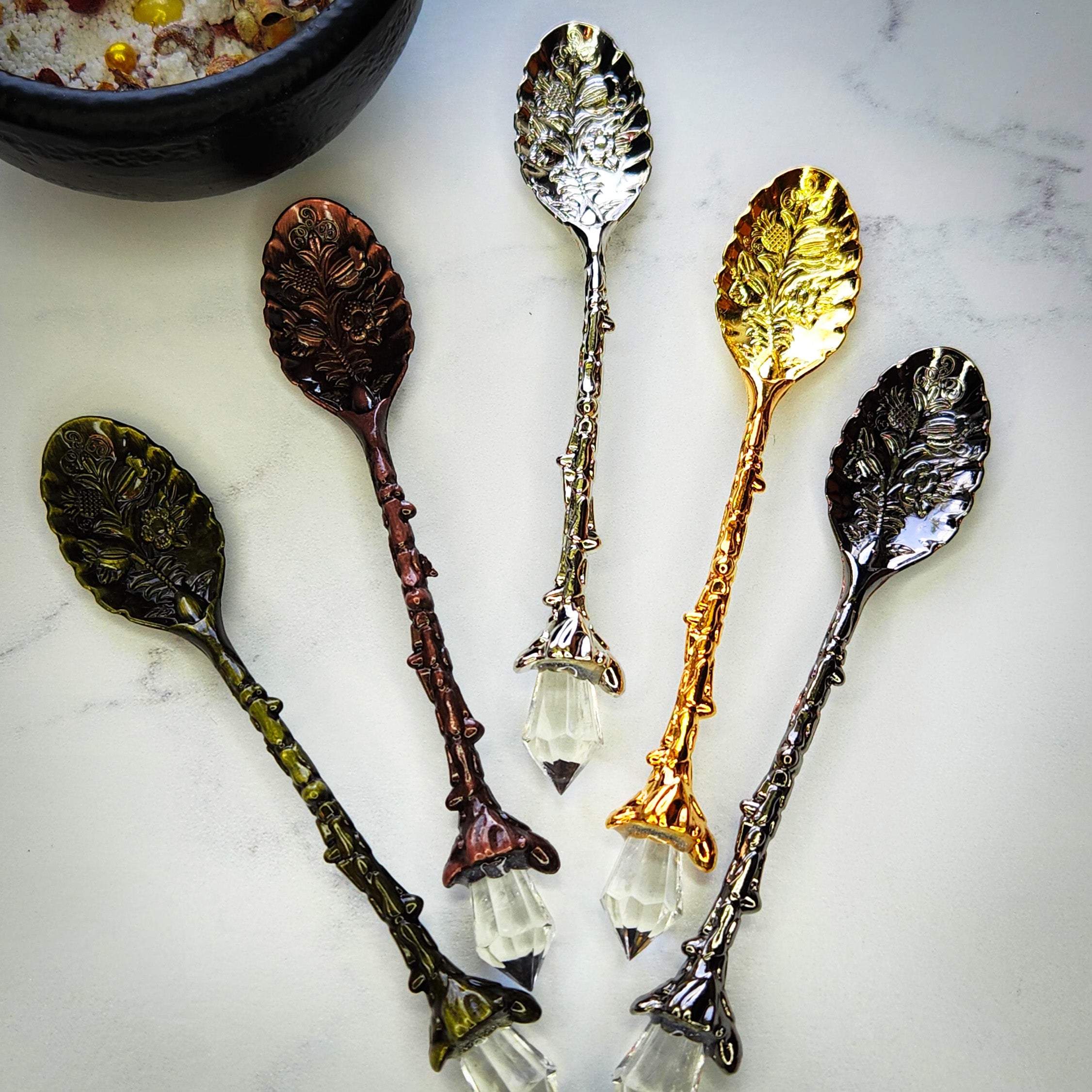
You do not need to make the play impressive. You can be the person who pours the water, notices the bubbles, or says, “That looks like a tiny lake.” Twenty minutes of being near each other can be enough. The dishes will still be there. For now, there is a crystal spoon in a small hand and something changing in the bowl.
Consider the life of the activity after today
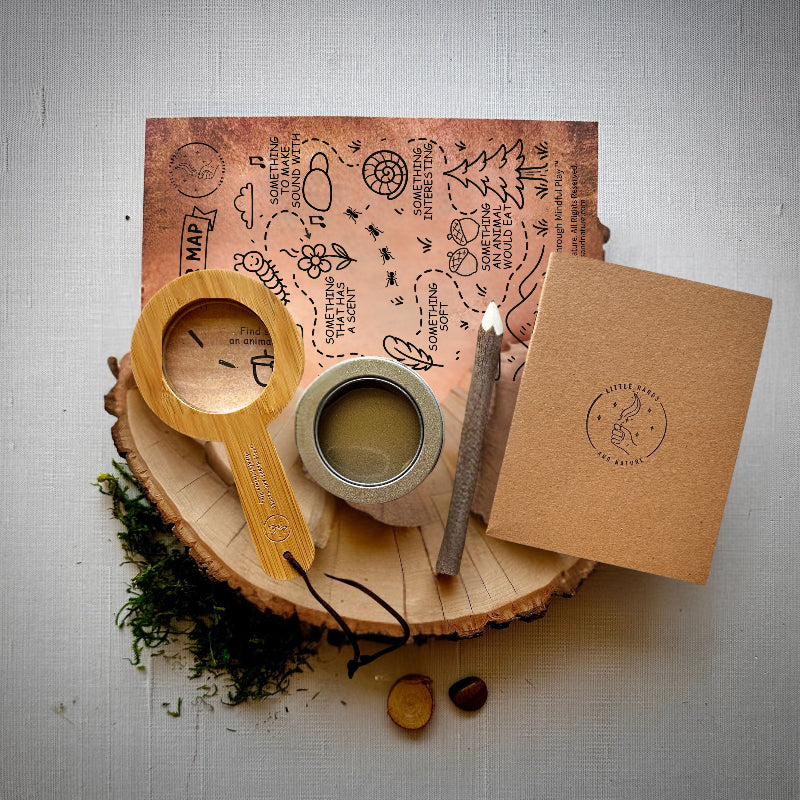
The best materials are often the ones that can return to the table more than once. Look for refillable ingredients, sturdy tools, and accessories that can wander into other kinds of play. A wooden scoop may later stir mud outside. A little bowl may hold acorns, shells, or crayons.
This is also where buying less can feel like more. Instead of gathering a large pile of one-time projects, choose a few open-ended materials that your child can revisit in different seasons. A wintery mix can become a springtime pond when paired with new colors and a few fresh ideas.
Little Hands and Nature makes this kind of return easy with handmade, non-toxic potion play kits, small play pouches, refill ingredients, and wooden tools designed for children ages 3 to 10. The point is not to fill every hour. It is to have a ready invitation when you want one.
A small question to carry with you
When you are deciding between activities, ask yourself: can I picture us opening this without rushing?
If the answer is yes, you may have found something worth bringing home. Not because it promises a perfect afternoon, but because it leaves a little room for hands to be busy, imaginations to wander, and the people at the table to be together.
With care,
The Little Hands and Nature team