


The best family playtime ideas are rarely the ones that require a packed schedule, a perfect backyard, or a table full of supplies. More often, they begin when someone sits on the floor, puts a small bowl between them, and says, “What should we make?”
For children, play is a place to follow a thought until it becomes a story. For grown-ups, it can be a small way back to each other. Twenty minutes counts. A messy kitchen counter counts. So does a quiet afternoon when nobody quite knows what to do next.
Family Playtime Ideas That Start With What You Have
1. Make a backyard treasure bowl
Take a bowl outside and look for treasures that have already fallen: a curled leaf, a smooth stone, a pinecone, a feather, a tiny twig with lichen on it. Sit together afterward and arrange them into a small collection.
There is no need to name every piece correctly or turn it into a lesson. Your child may decide one stone belongs to a forest giant and one leaf is a boat. Let the story lead.
2. Build a blanket world
A few blankets over dining chairs can become a reading nook, bear cave, moon station, or bakery with a very particular menu. Bring in pillows, a flashlight, and one small basket of books or stuffed animals.
The joy is often in building it together. When the fort is finished, stay inside for a while. Read a story, share a snack, or simply listen to the soft sounds of the house from your new little room.
3. Create a nature color hunt
Choose a color, then wander through the yard, a neighborhood walk, or a nearby park looking for it. Green can mean moss, a bicycle, a beetle, or the bright line of a new leaf. On another day, look for brown, silver, purple, or every shade of yellow.
This works especially well when a child needs an open-ended thing to do but nobody feels like organizing a big activity. It gives everyone a gentle place to put their attention.
4. Set up a tiny soup kitchen for stuffed animals
Bring out a few bowls, spoons, cups, and safe play ingredients such as dry leaves, flower petals that have fallen naturally, grass clippings, or water. Stuffed animals make excellent guests and have wonderfully specific requests.
A bear may need cloudy soup. A rabbit may order three bowls of pebble stew. Let the child decide what belongs in each bowl, while you make your own strange little recipe beside them.
5. Tell a story one sentence at a time
Begin with something simple: “A small fox found a blue door under a tree.” Then take turns adding one sentence each. Keep going until the story finds its own ending.
The sillier it gets, the better. A family story does not have to make perfect sense. It only needs room for everyone to add a piece of themselves.
Hands-On Family Playtime Ideas for the Kitchen Table
6. Make a potion together
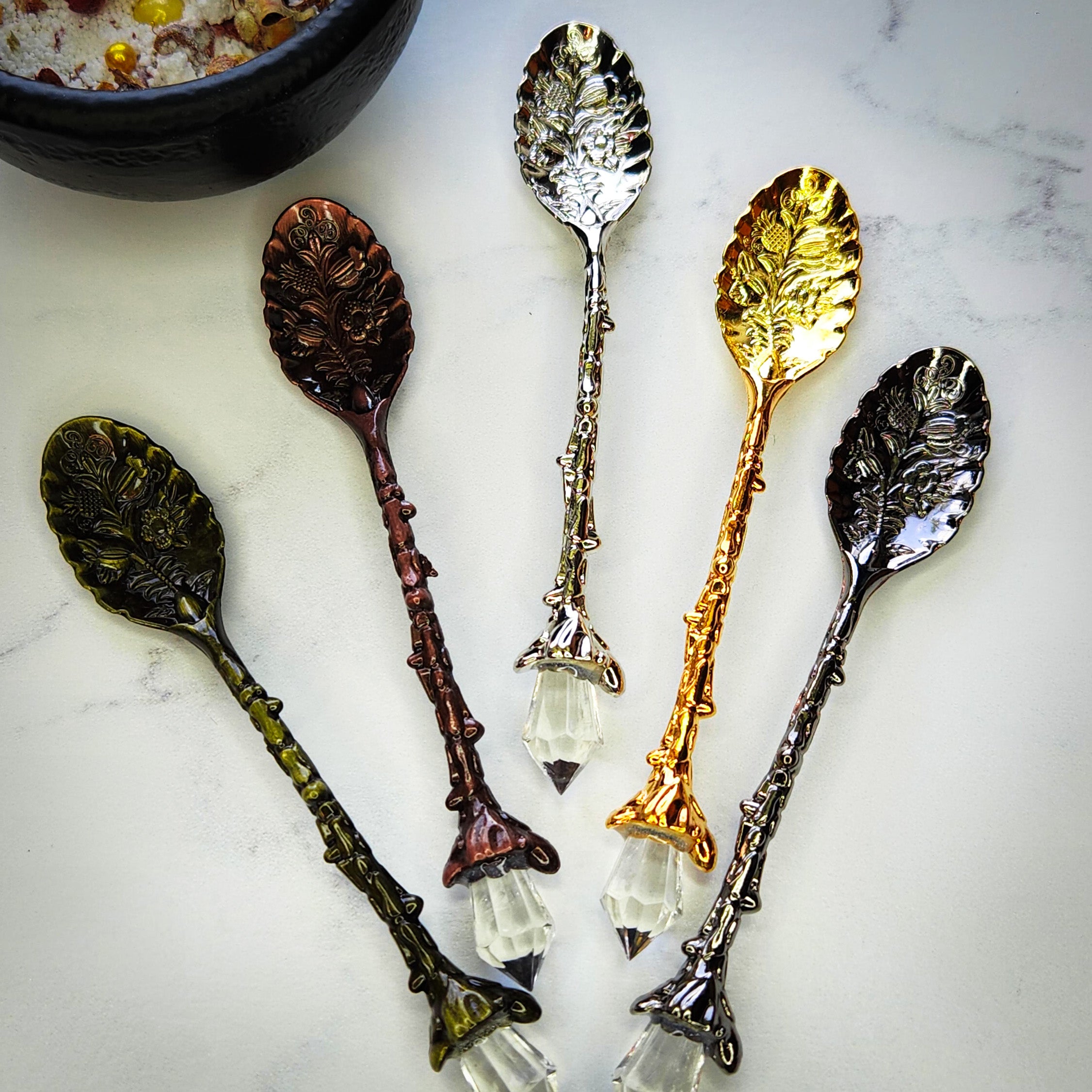
Potion play is a lovely answer to the late-afternoon stretch, when hands want something to do and the day needs a softer shape. Set out bowls, spoons, water, and nature-inspired ingredients made for play. Invite everyone to mix, pour, scoop, and watch what changes.
There is no finished picture to copy. One child may be making Mermaid’s Magic for a lost sea creature, while another is preparing Fairy Crystal soup for a moon garden. You can join them with your own bowl. These potions are for play, not for eating or drinking.
If gathering materials sounds like one more thing on a full day, a ready-to-open kit can be a kind choice. Little Hands and Nature makes handmade, non-toxic Potion Play kits in the United States, with the ingredients and small tools already together, so the table can become the beginning rather than another task.
7. Press a flower or leaf journal
On a walk, collect a few fallen leaves or petals. At home, tuck them between sheets of paper in a heavy book. A few days later, glue the pressed pieces into a notebook and add a date, a drawing, or a made-up name.
Some families will enjoy making this a seasonal ritual. Others may do it once, forget the notebook on a shelf, and find it again months later. Both are lovely ways for a season to leave a small mark.
8. Draw maps of imaginary places
Put out plain paper and colored pencils. Draw a map of a place nobody has ever been: the Mossy Bridge, the Pancake Lake, the Quiet Woods, the place where all the missing socks live.
Add paths, tiny homes, secret doors, and a key in the corner. You do not need to be good at drawing. A wobbly line can be a river. A green circle can be a very old tree.
9. Give old boxes a new purpose
A shipping box can become a pet hotel, a train tunnel, a puppet stage, or a boat for two very small dolls. Offer tape, crayons, paper, and scissors when appropriate for your child.
Try not to decide what it should be before they do. The box is already enough. Its blank sides leave room for a child’s first idea, then their second and third.
10. Have a slow family art table
Cover the table with paper and place a few simple materials in the middle: crayons, stickers, washable paint, scraps of colored paper, and glue. Instead of giving everyone a project, make art alongside each other.
You might draw the tree outside the window. Your child might cover their page in purple circles. Talk if it feels natural. Quiet is welcome, too.
Play That Makes Room for the Season
11. Build a rain-day window station
When the weather keeps everyone indoors, move a few pillows close to a window. Watch the drops race down the glass. Draw what the sky looks like. Make up names for the clouds or notice where the puddles gather.
A rainy day does not need rescuing. Sometimes it simply asks for a different pace.
12. Make a family wonder jar
Keep a jar or small basket somewhere easy to reach. When someone notices something worth remembering, write it on a slip of paper and add it in. It might be “the ladybug on the porch,” “Dad’s upside-down pancake,” or “the first cold morning.”
At the end of a month or season, read a few aloud. The ordinary things have a way of becoming more precious once they are named.
A Little Less Planning, a Little More Staying
The right activity depends on the day. Some days invite paint, water, and a great deal of pouring. Other days call for a blanket fort and one familiar book. You do not need to make every moment memorable. You only need a small invitation that says, “I’m here. Let’s see what happens.”
Keep one or two easy play choices nearby, especially for the hours when everyone is tired of deciding. A basket of crayons, a bowl of nature treasures, or a ready-made potion kit can quietly hold the door open.
Then sit down if you can. Let the leaves become soup, let the fort become a castle, let the story wander. The work can wait for twenty minutes. There is wonder here already.
With warmth,
Little Hands and Nature