


A craft kit can be a lovely thing. A rainy-day project, a birthday table activity, a small way to make something with your hands. But when parents ask about potion kits vs craft kits, they are often noticing a quieter difference: one asks a child to make the thing on the box. The other makes room for them to decide what happens next.
That difference can change the feeling in the room.
With potion play, there is no model to match. A child can scoop a handful of Fairy Crystal fizz, add a little color, pour in liquid, and watch the bowl wake up. They might call it mermaid water. They might say it is soup for a tiny garden visitor. Tomorrow, the same materials can become something entirely new.
It is less about producing a keepsake and more about sharing a small, living moment together.
Potion kits vs craft kits: the shape of the play
Most craft kits begin with an outcome. There may be a painted birdhouse, a bracelet, a paper flower, or a small figure to decorate. The box often shows the finished picture, and the instructions lead the way there.
There is nothing wrong with that. Some children love knowing exactly what they are making. Some afternoons call for a clear beginning, middle, and end. A craft kit can feel satisfying when everyone wants to follow the steps and admire what they made afterward.
Potion kits begin somewhere else.
Instead of asking, “What will this become?” they offer materials that invite a child to wonder, “What happens if I try this?” A spoonful of fizz, a pour of liquid, a few nature-inspired treasures, a wooden tool resting nearby. The play changes as the child changes it.
The finished piece is not the point. The movement is. The colors swirling. The fizz rising. The serious little concentration before a new scoop goes in. The story that appears halfway through, when nobody planned it.
For children ages 3 to 10, that open space can meet many kinds of days. One child may spend twenty minutes arranging petals and crystal spoons. Another may make three fast, bubbling creations and start over. Neither needs to be corrected. There is no wrong potion.
A craft project has steps. Potion play has room.
A traditional craft kit usually asks for a little more from the grown-up, even when it says it is easy. There are directions to read, pieces to separate, glue to open, drying time to consider, and sometimes a table to protect before anyone begins.
Again, that may be exactly right for a family that enjoys projects. But a kit with an expected result can turn into a series of small decisions: Is this piece in the right place? Did we skip a step? Does it look like the picture?
Potion play softens that edge.
The setup can be as simple as opening the box, placing the materials on a tray or table, and sitting down together. The child begins with their hands. The grown-up can join with a scoop, a question, or simply a little quiet attention.
“What do you think this one needs?” is enough.
There is no need to be good at crafts. No need to know what to make. No need to find three extra supplies after dinner. The invitation is already waiting inside.
That matters on full days. Not because every play moment needs to be meaningful or carefully planned, but because a ready-to-open activity makes it easier to say yes when there is a small pocket of time.
The box tells a different story
Look at the front of many craft kits and you will see the destination. A finished necklace. A painted sign. A model animal. It helps the buyer understand what is included, but it also sets an expectation.
Potion kits tell a more open story. The materials are the beginning, not the answer.
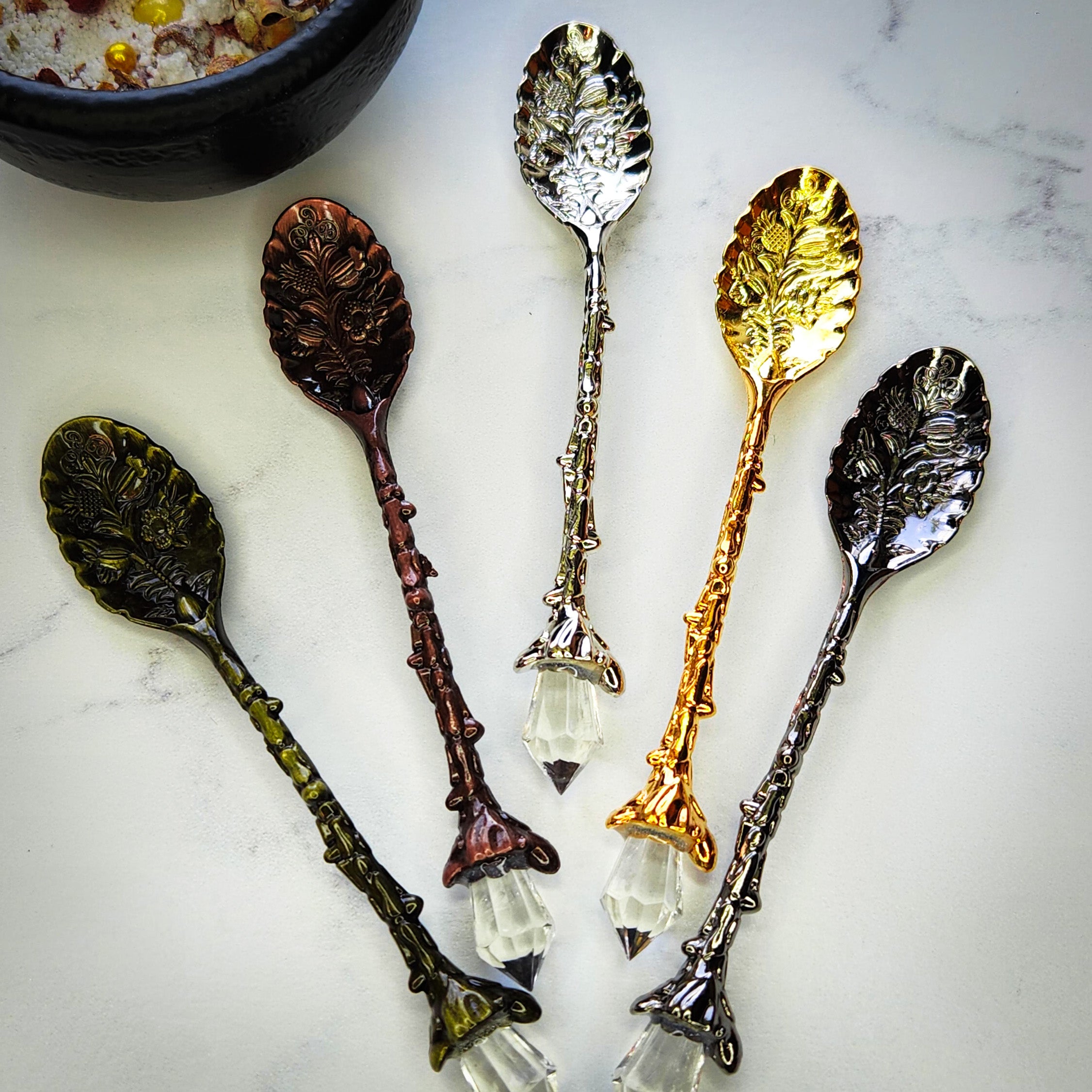
A nature-inspired potion kit might include fizzy components, colorful liquid, wooden tools, crystal spoons, and themed accessories. Each piece offers a prompt without giving a script. A child may use the same little bottle as a treasure jar, a forest ingredient, or part of a very important pretend bakery.
That repeatability is one of the gentle joys of potion play. A finished craft is often displayed, gifted, or tucked into a drawer. A potion kit can return to the table again and again, especially when refills are available. Fresh fizzy ingredients or liquid refills can make a familiar favorite feel new without asking a family to start from zero.
What parents are really choosing
Often, the choice is not between a good activity and a bad one. It is between two different kinds of togetherness.
A craft kit can be wonderful when you want a defined project. It may be a good fit for a child who enjoys directions, for a party table with a specific theme, or for an afternoon when making something to keep feels exciting.
A potion kit may be a better fit when you want room to linger. When the child in front of you is more interested in mixing than making. When you want an activity that holds attention without requiring you to organize every detail. When you would rather sit beside them than oversee a project.
For gift-givers, this difference is worth considering too. A craft kit gives a child something to complete. A potion kit gives them an experience to open with someone they love. It can be a thoughtful choice for birthdays, a little holiday surprise, or a meaningful gift under $25 in the form of a mini play pouch.
For a group, the same idea can stretch outward. Party potion kits bring a shared theme to the table while leaving each child room to make their own creation. No two bowls need to look alike. That is part of the fun.
The practical details still matter
Imagination is sweeter when the basics feel cared for.
For young hands, look for non-toxic materials and clearly considered components. Choose a maker who is open about what is in the box and how it is made. If handmade production matters to your family, it is worth knowing where a kit comes from and allowing for the honest shipping timing that handmade work can require.
Think about how the play will live in your home, too. A full kit can become a go-to activity for weekends, quiet mornings, and visits from cousins. Mini pouches make an easy little surprise or travel-friendly option. Refills help keep the favorite parts going. Tools and themed accessories can add a new layer when a child has already fallen in love with the ritual of scoop, pour, fizz, and wonder.
Little Hands and Nature makes this kind of play by hand in the United States, with non-toxic potion materials designed to be opened and enjoyed together. The heart of it is simple: a box that does not ask you to invent the moment before you can have it.
There is room for both
You do not have to choose a side for every season.
There may be a day for folding paper, following the little instruction sheet, and hanging a finished craft on the fridge. And there may be a day when the table needs a bowl, a spoon, a few bright ingredients, and no plan at all.
If what you want is a reason to come close, choose the activity that leaves room for your child to lead the story. Sit beside them. Add one scoop of your own. Let the fizz do its small, cheerful work.
With care,
The Little Hands and Nature Team