


Three-year-olds do not need a packed schedule to have a beautiful party. They need room to arrive slowly, touch something interesting, move their bodies, and stay close to the people they know. The best party activities for children ages three are simple enough to join at any point, with no waiting for a turn and no perfect outcome to chase.
A birthday table covered in soft colors. A basket of scarves by the door. A bowl of nature treasures waiting for little hands. These small invitations can hold an afternoon more gently than a long list of games ever could.
What makes a party activity work at age three?
At three, the party itself is already a big, bright thing. New faces, favorite faces, balloons, music, a cake somewhere in the room. An activity works best when a child can understand it by looking at it, rather than listening to a set of directions.
Choose open-ended play over games with winners. Set out more than one of a favorite tool or material so children can play beside each other without needing to share every second. Keep each invitation short and easy to leave. Some children will stay with the water table for twenty minutes; another may make one tiny potion, then go back to dancing. Both are right.
It also helps to plan for pockets of quiet. A small floor space with baskets, wooden scoops, fabric, or books gives families somewhere to land when the room gets lively. You do not have to keep every child busy. You are simply making a few lovely places for them to be.
Party activities for children ages three that feel easy
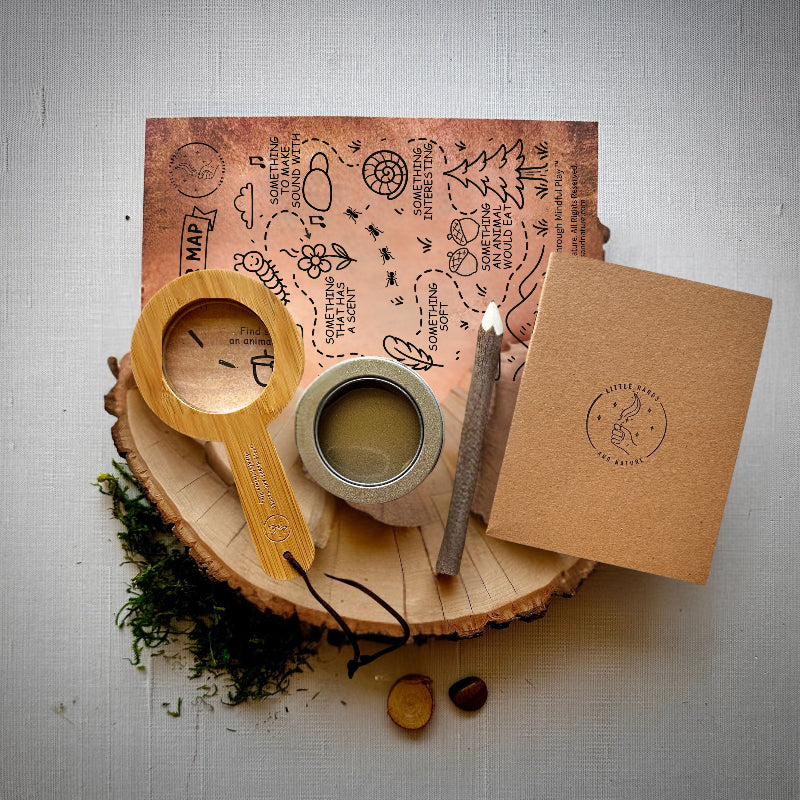
A nature treasure station
Fill shallow baskets with large, age-appropriate natural treasures such as smooth stones, pinecones, big dried leaves, and flower petals. Add a few wooden bowls, muffin tins, cups, and spoons. Children can sort, carry, fill, pour, and make up their own small stories as they go.
This is a good first activity because it is calm and immediately inviting. Place it near the entrance, if you can. A child who needs a minute before joining the bigger room has something to do with their hands, and a parent has a natural place to sit beside them.
Keep tiny loose items and anything that could be a choking concern out of reach. Bigger, sturdy pieces are often more satisfying anyway.
Potion play at a low table
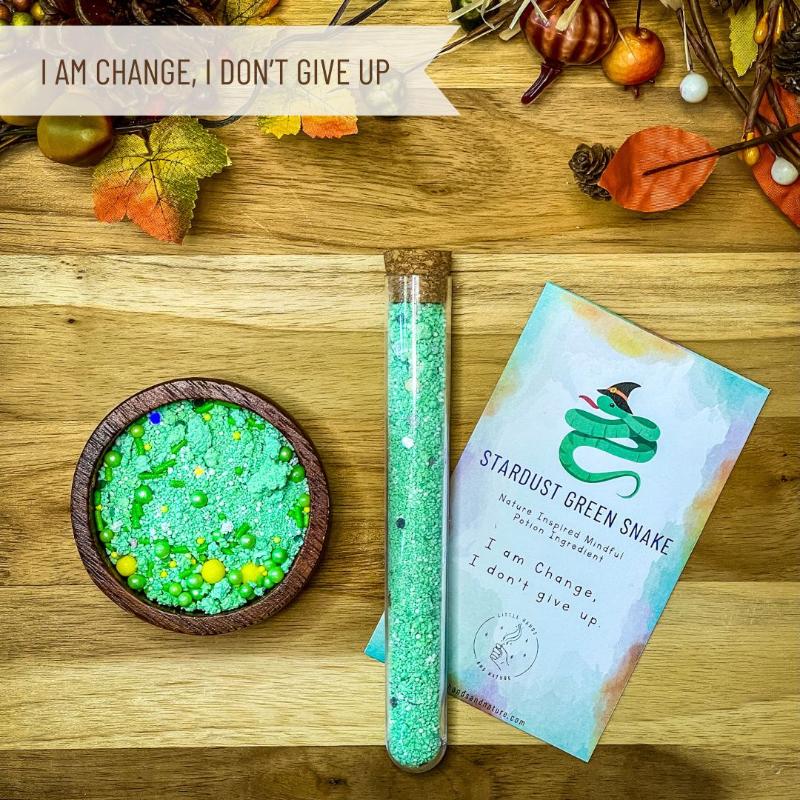
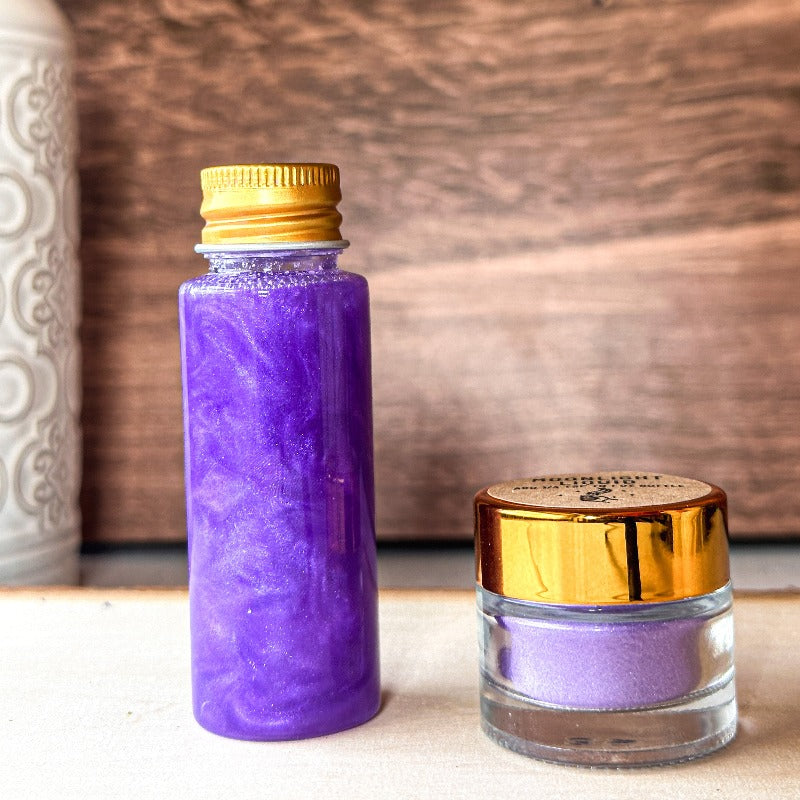
Potion play gives a party a little shimmer without requiring a performance. Set out small bowls, clear cups, spoons, scoops, and a few non-toxic, child-friendly fizzy ingredients. Add water in easy-pour containers, then let children mix, pour, watch, and decide what they have made.
There is no need to name every step. One child may be making Mermaid's Magic. Another may be filling and emptying the same cup again and again. Both are deeply busy.
For a group of three-year-olds, make the setup generous rather than complicated. A few repeated ingredients and plenty of tools work better than a crowded table of choices. If you are using color, offer just two or three colors at once. The table stays easier to see, and each little change still feels like a wonder.
A ready-made party kit can be especially helpful here. It means the ingredients, tools, and little details are gathered before the day begins, leaving you free to sit down for a few minutes and make a potion, too. At Little Hands and Nature, our handmade party play is made in the United States with non-toxic ingredients and an open-ended kind of wonder in mind.
A scarf-and-music corner
A basket of lightweight scarves and a small playlist can carry a room through the wiggly middle of a party. Play one or two songs, let children wave scarves like rain, hide beneath them like a tiny tent, or swirl them high over their heads.
This does not need to become a formal dance game. Let it be a break between snacks and cake, or an option that runs quietly in one corner. If the party is outdoors, ribbons tied to a low branch or a porch rail can make the breeze part of the play.
Choose a clear area away from food tables and keep the music at a level where adults can still talk. The goal is movement and laughter, not a room that feels turned all the way up.
A garden gathering walk
If you have access to a yard, park, or safe outdoor space, offer each child a little basket and invite everyone on a slow treasure walk. They might collect fallen leaves, interesting sticks, or petals already on the ground. You can give the gathering a gentle theme, like finding things that are soft, bumpy, green, or shaped like a circle.
The walk does not need to be long. Ten quiet minutes around the garden can be enough. When children return, their treasures can go straight into the nature station or onto a shared celebration table.
For an indoor party, bring the garden feeling inside. Place large leaves, branches in a vase, or fabric flowers around the room. The invitation is still there: look closely, choose something, bring it over.
A sticky collage made for many hands
Tape a large piece of contact paper, sticky side out, to a low wall or a table. Put out torn tissue paper, fabric scraps, large paper shapes, and collected leaves. Children can press pieces down, peel them back up, and add another layer.
A shared collage works well because no one has to protect a particular finished picture. It becomes a little record of the party, made in passing by many small hands. Keep the pieces large and simple, and have an adult nearby to help if the sticky surface folds onto itself.
If you would rather skip glue, this is a lovely answer. When the party ends, you can hang the finished piece in a window for a few days, where the light can find it.
A gentle rhythm for the party
For this age, activities do not need to happen one after another. In fact, the party often feels better when two or three invitations are available at the same time. A child can move from potion play to scarves, then return to the treasure basket when the room feels quieter.
Start with open play while everyone arrives. Offer a snack once most guests are there, then bring out a movement activity or step outside. Cake can come after that, followed by a final calm table invitation for families who are lingering or waiting for pickup.
If your gathering is small, one sensory table and one movement option may be plenty. If it is larger, repeat the same setup at two tables instead of adding more kinds of activities. Familiar materials help the room feel easier to enter.
Keep the setup kind to you, too
The sweetest party plans are often the ones with fewer moving parts. Choose two main activities, not seven. Set out supplies in low baskets or trays before guests arrive. Put a towel nearby for water play, along with a small bin for used tools. If an activity gets crowded, add a second bowl or another spoon rather than trying to direct the whole group.
You do not need to narrate every moment. Let the children show one another what the materials can do. A parent may find themselves pouring water beside their child, noticing the fizz, or holding a scarf while someone twirls underneath it. That is the party, too.
When the last crumbs are cleared and the ribbons are gathered, there may be a few wet cups on the table and a leaf in someone’s pocket. Leave it there for a while. Small hands made something of the day.
With care,
Little Hands and Nature