


A good play moment does not need a perfect table, a color-coordinated plan, or an hour you do not have. Sometimes it begins with a bowl, a wooden spoon, a few beautiful things to pour, and your child saying, “What happens if I add this?” This guide to non toxic play is for making room for that kind of moment - simple, hands-on, and shared.
Non-toxic play is not about making your home look like a lab or turning every choice into a research project. It is about knowing what is in your child’s hands, choosing materials with care, and then letting play stay playful. A little wonder. A little mess. Someone you love close by.
What non-toxic play really means
Non-toxic means a play material is made with ingredients or finishes selected for intended children’s use, rather than simply looking natural or being labeled “eco-friendly.” Those words can be meaningful, but they do not tell the whole story.
For parents, the practical question is usually this: Can I hand this to my child and feel at ease sitting beside them while they explore? The answer comes from clear information. Look for brands that plainly describe their ingredients and materials, share age guidance, and tell you how to use and store the play items.
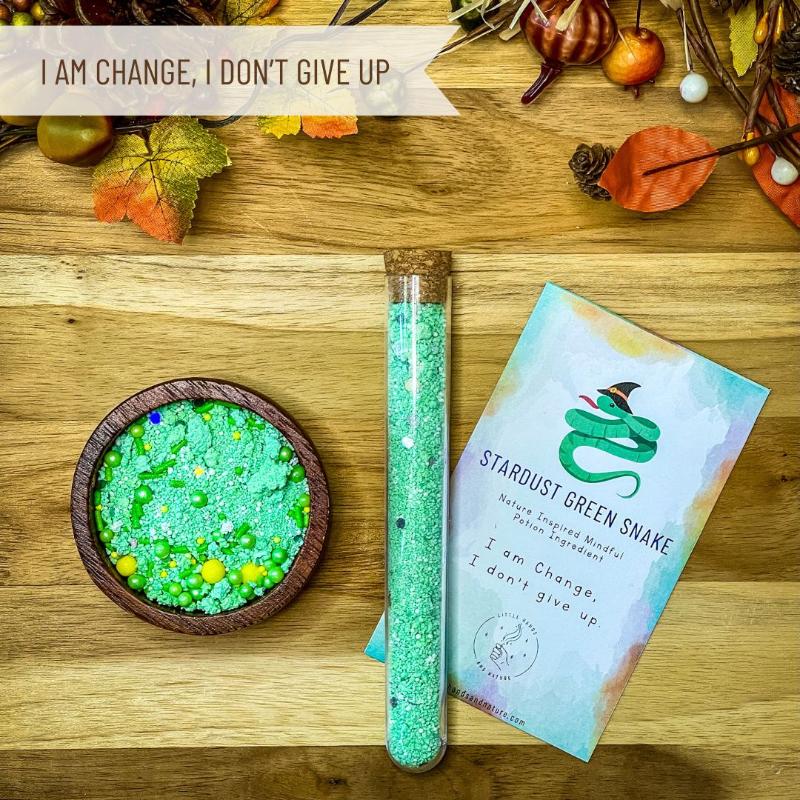
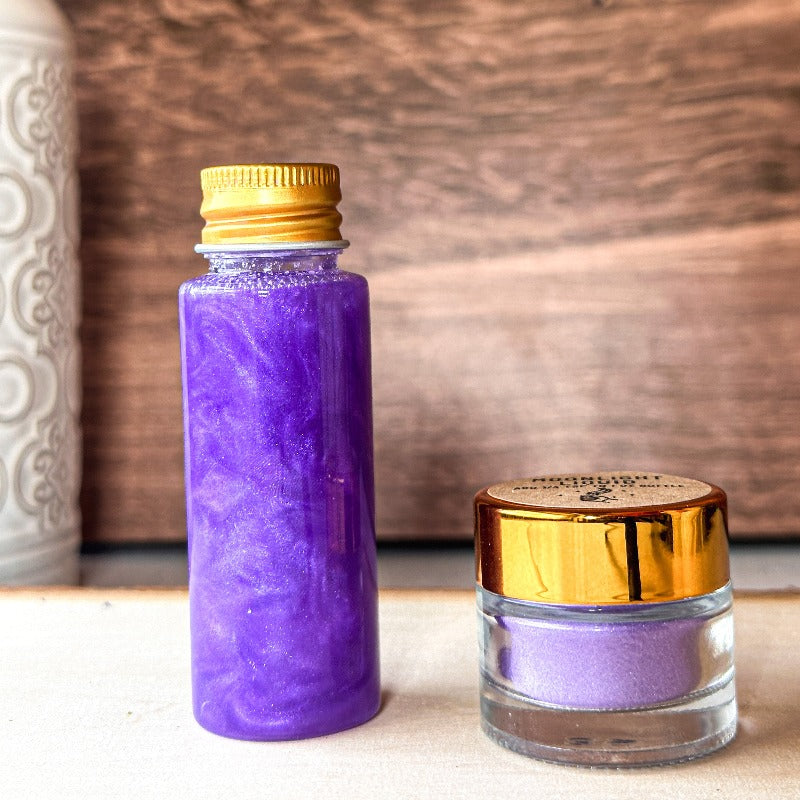
Non-toxic does not mean edible, and it does not mean every material belongs with every child or in every kind of play. A fizzy potion ingredient may be lovely for scooping, pouring, and watching change in water, but it is still for play, not for tasting. Small loose pieces may be better saved for older children. The kindest setup is one that fits the child in front of you and lets you stay nearby without needing to hover.
A guide to non toxic play materials
When you are choosing a kit, refill, or basket of loose play materials, start with the things children will touch most often. Powders, liquids, doughs, paints, sensory bases, wooden tools, and small accessories all deserve a clear description.
Read past the pretty packaging
A beautiful box can be a lovely beginning, but what is inside matters more. Look for straightforward language about ingredients, colorants, fragrances, finishes, and the country where items are made. If a company makes its products by hand, it should be able to speak honestly about that process.
Natural materials can be wonderful. Dried petals, smooth stones, wood, and plant-based colors bring the outside world to the table. Still, “natural” is not a substitute for clear use instructions. Some children have sensitivities, some materials need dry storage, and some treasures are best enjoyed only while an adult is within arm’s reach.
You do not need to memorize every ingredient name. You only need enough information to make a choice that feels right for your family. Clear labels make that easier.
Choose materials that invite open-ended play
The best materials do not rush a child toward one finished result. They leave room for a child to decide what a bowl of blue water becomes, whether a tiny scoop is a moon spoon, or why one potion fizzes faster than another.
This is where loose ingredients and simple tools shine. A cup, spoon, small bowl, pipette, tray, and a few play-safe ingredients can become a whole small world. There is no picture to copy. No right way to arrange it. Just hands at work and ideas arriving as they go.
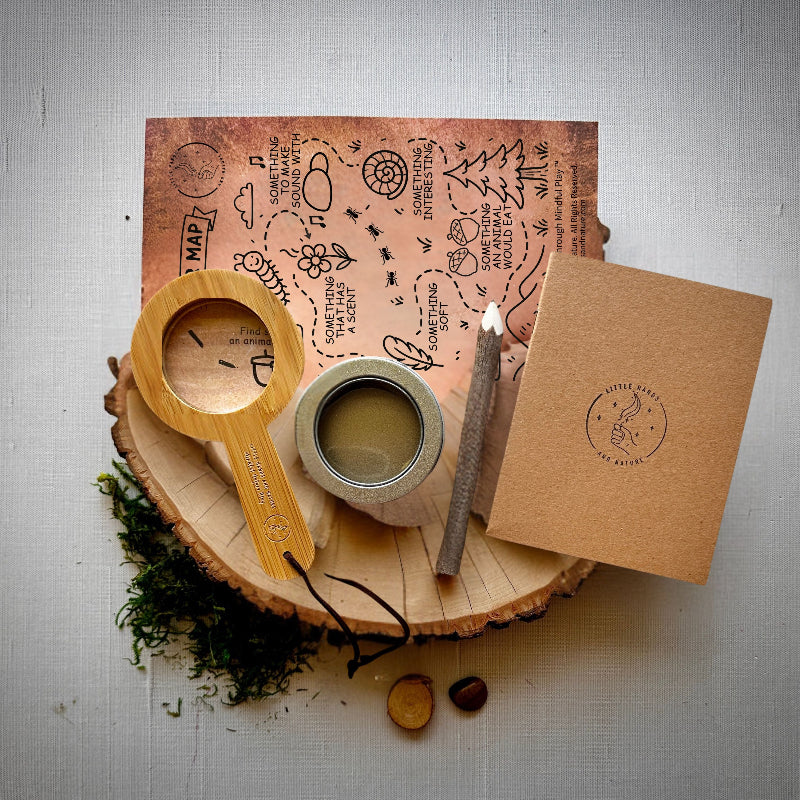
Open-ended does not have to mean gathering supplies from five different drawers. A ready-to-open kit can be the gentler choice on a busy afternoon. Little Hands and Nature creates handmade, non-toxic potion play kits in the United States with the pieces gathered together, so the invitation is already waiting when you open the box.
Let age guidance do its quiet work
Age recommendations are there to help you choose the right level of independence and the right kinds of pieces. A three-year-old may enjoy pouring colored water and stirring fizz in a wide bowl beside you. An older child may spend a long time layering ingredients, naming a potion, and creating a tiny scene around it.
There is no need to make play more complicated than it wants to be. If small items feel like too much for today, set them aside. If a child wants to repeat the same pour-and-stir ritual again and again, let that be enough. Familiar play can be deeply satisfying.
Set up a moment, not a project
The easiest non-toxic play setup is one you can make without rearranging your whole day. Put a towel, tray, or shallow bin on the table or floor. Add a bowl of water, a few tools, and only a small amount of each material. Then sit down.
That last part matters. You do not have to direct the story or explain the “right” way to play. You can hold a cup, stir beside them, wonder aloud, or simply watch their hands move. A child might tell you the mixture is Fairy Crystal soup for a garden snail. You might be asked to make a rainy-day potion of your own. There is room for both.
If the day is especially full, keep the setup even smaller. One fizzy ingredient, water, a spoon, and a bowl can carry twenty quiet minutes. The point is not to produce more. It is to make a place where you can both arrive.
Keep the boundaries simple
Before you begin, offer a few calm, clear words: these ingredients stay in the play bowl, we keep them away from our mouths, and when we are done, we wash our hands. That is enough.
For younger children, choose a surface where spills are easy to manage and stay close throughout the activity. For all ages, follow the package directions, store materials in their containers after play, and check ingredients again if your child has known sensitivities. If something is damaged, damp when it should be dry, or no longer looks as intended, it is okay to let it go.
Care is not about making play tense. It is what lets everyone relax into it.
Bring nature in without bringing home a hundred tasks
Nature-inspired play does not require a backyard expedition or an elaborate seasonal craft. A pinecone on the tray, a few fallen leaves, a flower petal from the garden, or a smooth stone can be plenty. Let children notice the colors and textures already around them.
There are trade-offs here. Outdoor treasures can carry dirt, moisture, or tiny creatures, so it helps to inspect them together and choose only what suits your setup. Some families prefer to keep nature outside and use thoughtfully made accessories indoors. Both are good ways to make a little room for the season.
In spring, a bowl of water and petals may become a garden potion. In summer, sunlight on a tray can change the whole feeling of play. Autumn brings seed pods and warm colors. Winter invites silver scoops, white fizz, and the soft sound of stirring. You do not need to name every season for a child to feel it.
Make cleanup part of the landing
A play invitation feels more possible when cleanup does not wait like a shadow at the end. Start small enough that putting things away is simple. Keep a towel nearby. Use a tray to contain the action. Have a bowl or bin ready for tools once they are rinsed and dried.
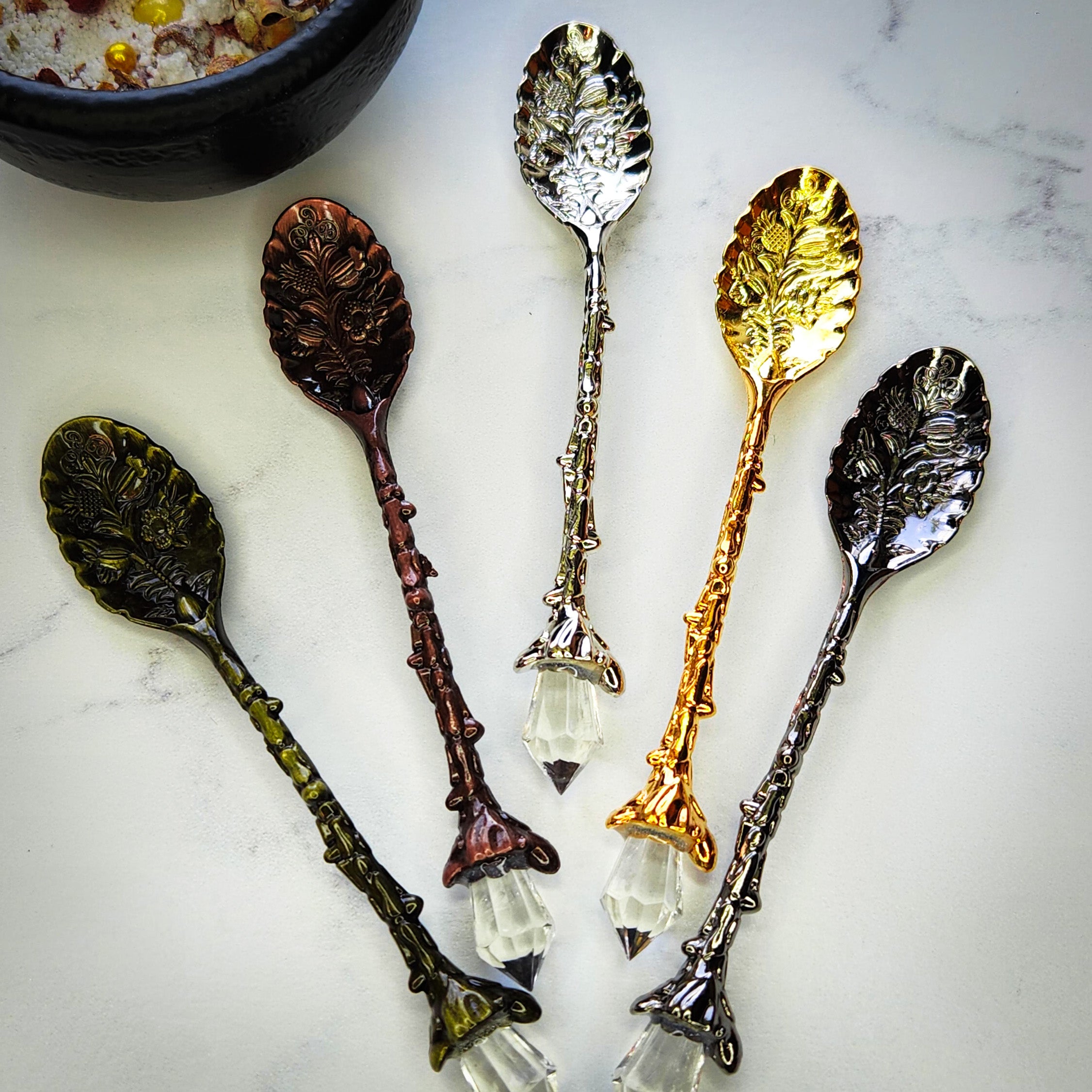
You can make the closing gentle, too. “Let’s tuck the crystal spoon in for next time,” gives the moment an ending without snapping it shut. Children often like to help carry the tray or choose where a finished potion bowl rests before it is emptied.
The mess will not always be tiny. That is real life. But a little water on the table can be wiped up, and the shared time tends to stay with you longer.
When you want play to be ready for you
There are days for gathering leaves, mixing your own colors, and following a child’s idea all the way across the kitchen. There are also days when you need the ingredients measured, the tools chosen, and the table-ready moment waiting in one box.
Neither choice says anything about how much you care. Ready-made play can simply make it easier to say yes when a small window opens between dinner, laundry, and bedtime. Choose refillable materials when that suits your family, keep favorite tools where little hands can find them, and return to the same simple setup as often as it feels good.
The bowl does not have to hold anything remarkable. Sometimes it holds water, fizz, a wooden spoon, and a story only your child understands. Sometimes it holds a quiet place for the two of you to be together for a while.
With care,
The Little Hands and Nature team