


A smooth stone in a coat pocket. A red leaf found on the walk home. The way someone saved the last strawberry for someone else. Gratitude activities for kids do not need to be big lessons or extra work at the end of a full day. Often, they begin with one small thing worth noticing together.
For children, gratitude can be wonderfully concrete. It is the warm bowl in their hands, the dog waiting at the door, the rain making puddles in the driveway. When we make room to name those things, even for a few minutes, we get to hear what matters in their little worlds.
What gratitude can look like in a child’s hands
Gratitude is not about making children perform a perfect, polite thank-you. It is a practice of pausing long enough to see the good that is already nearby. Some days that looks like a child telling you about their favorite part of recess. Other days, it is a quiet moment beside a bowl of petals and water.
Keep it light. An invitation works better than a question with a right answer. You might say, “I noticed something lovely today,” and then share it. Children often join in when there is no pressure to say the expected thing.
These gratitude activities for kids are simple enough for an ordinary afternoon. Pick one that sounds pleasant, leave the rest for another day, and let the moment take its own shape.
12 gratitude activities for kids to try together
1. Take a thankful treasure walk
Bring a small basket or paper bag outside and look for fallen treasures: acorns, smooth sticks, seed pods, colorful leaves, or pebbles. At home, spread them on a tray and let each person choose one to talk about. “I picked this leaf because I like how bright it is” is plenty.
If gathering is not right for the place you are walking, simply point, notice, and leave nature where it is. A treasure walk can happen from a porch, a park bench, or the car window, too.
2. Start a little gratitude bowl
Set a bowl on the kitchen table with a few slips of paper and a pencil. Whenever someone thinks of a bright spot, they can draw it or ask you to write it down. At the end of the week, pull out a few notes while you eat breakfast or fold laundry.
This does not have to become a daily ritual to matter. The bowl can sit there quietly until someone feels like adding to it.
3. Make a nature thank-you tray
Lay out a shallow tray, a little water, flower petals, leaves, and a few natural objects from outside. Children can arrange, pour, float, and move things around as they talk about what they appreciate. There is no finished picture to make.
You can join them by adding one thing to the tray and naming it: “These tiny yellow flowers remind me of our walk this morning.” Sometimes the hands make it easier for words to arrive.
4. Leave tiny notes for people at home
A thank-you note does not need to be formal or even written in full sentences. A child can draw a favorite snack for the person who packed it, add a heart to a sibling’s book, or make a small picture for a neighbor.
Tuck the note somewhere it will be found later: inside a shoe, by a coffee mug, or on a pillow. The surprise is part of the sweetness.
5. Share one good thing at the table
At dinner, try a simple prompt: “What is one thing you want to remember from today?” It leaves room for the funny, the ordinary, and the meaningful. Someone may say, “My socks were warm,” and someone else may say, “Grandpa called.”
Adults can go first. When your answer is specific and honest, children get the idea without needing a speech.
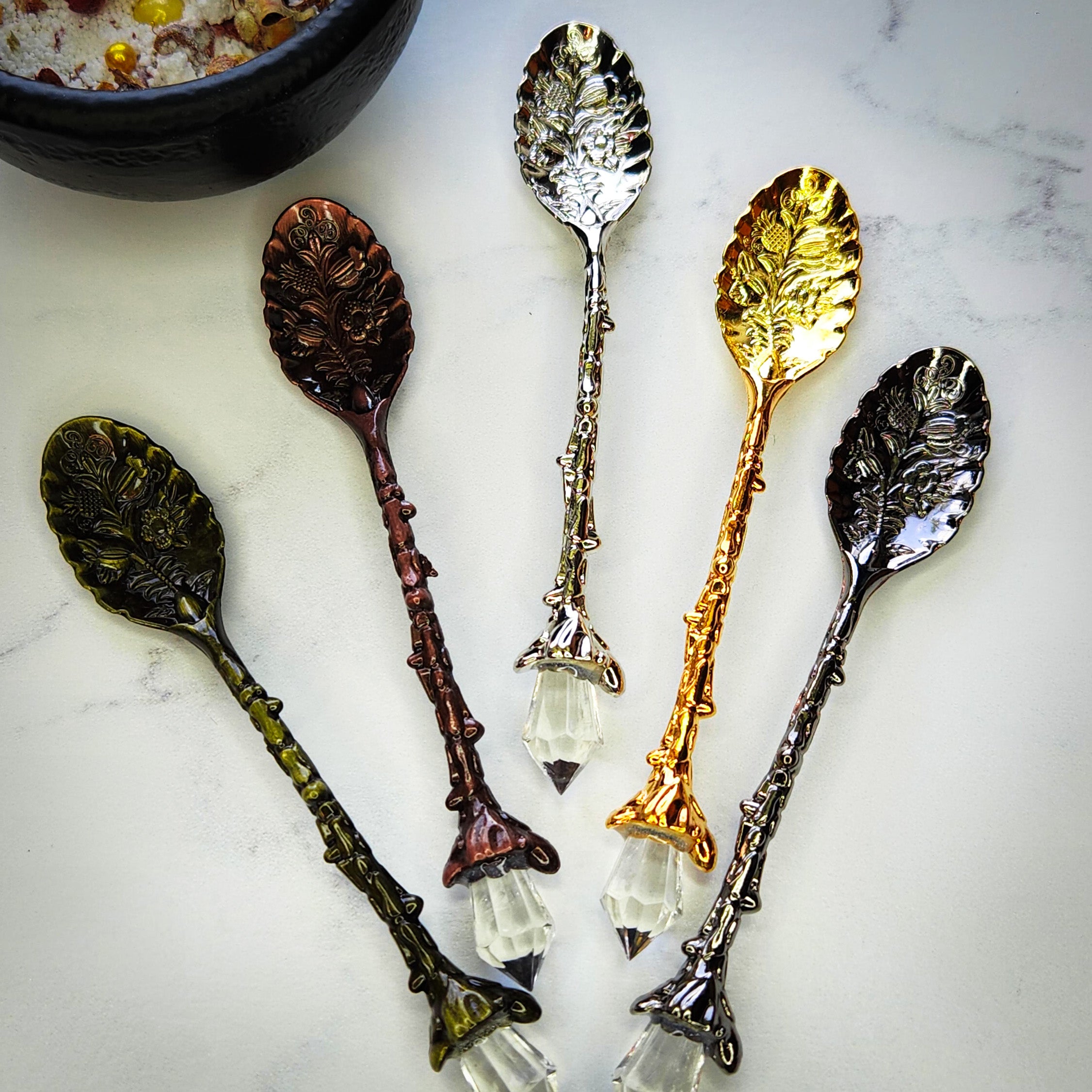
6. Stir a gratitude potion
Potion play gives gratitude a place to land in the hands. Fill a bowl or tray with play-safe materials, then invite each person to add something as they name a good thing from the day. A spoonful of fizz, a petal, a pine needle, or a swirl of color can stand for a person, a place, or a moment.
There is no recipe and nothing to get right. If you would rather open a ready-made moment, Little Hands and Nature makes non-toxic, handmade Potion Play kits with the pieces already gathered, so you can sit down beside your child instead of searching for supplies. Potions are for play, not for eating or drinking.
7. Draw a map of happy places
On a big sheet of paper, draw the places that have held good moments lately. Maybe there is a square for the library, a patch of green for the backyard, a wobbly line for the walk to school, and a couch for story time.
The map does not need to look like a real map. It is simply a way to remember that comfort and joy often live in familiar corners.
8. Make a “thank you for helping” picture
Think of someone whose hands made the day easier or kinder: a crossing guard, a friend, a teacher, a delivery driver, or a family member. Make a drawing that says thank you in the child’s own way.
You do not have to deliver every picture. The act of noticing another person’s care is valuable on its own. If you do share it, keep the exchange simple and warm.
9. Build a seasonal gratitude shelf
Choose a small spot on a windowsill, shelf, or table. Add a few things that belong to the season: a leaf in fall, a smooth shell in summer, a pinecone in winter, or a budded branch in spring. Let it change slowly as the weeks pass.
When someone adds an object, they can say why it belongs there. Over time, the shelf becomes a small record of what your family noticed.
10. Pass around the kindness stone
Choose one smooth stone and keep it somewhere easy to reach. When someone notices a kind moment, they can hand the stone to the person who made it happen. It might be for sharing a blanket, holding a door, or saving the blue cup.
The stone does not need a ceremony. A quiet handoff and a few words can be enough.
11. Tell a bedtime “three little things” story
At bedtime, make up a very short story with three good things from the day. Perhaps a child found a feather, laughed with a friend, and ate cinnamon toast. Put them into a gentle tale about a bunny, a bear, or a little explorer coming home.
This works especially well on tired nights because there is nothing to prepare. The story can be silly, sleepy, or only two minutes long.
12. Care for a shared place
Gratitude sometimes looks like tending what we enjoy. Water a porch plant, straighten the blanket basket, refill the bird feeder, or pick up a few fallen twigs from the walkway together. As you work, name what the place gives back: shade, color, a spot to rest, birds to watch.
Keep the task small enough that it still feels like time together, not a project to finish.
Let it be imperfect and ordinary
The best gratitude practices are the ones that fit into your real life. A child may be eager to fill a bowl with petals one day and have nothing to say the next. Both are welcome. You can return to the same activity often, or let it drift away when the season changes.
What lasts is not the paper slip or the arranged tray. It is the feeling of being beside each other long enough to notice something good.
Choose the one that feels lightest today. A pinecone in a small hand, a fizzing bowl, one story from the table - it is enough to begin.
With love and gratitude,
A friend at Little Hands and Nature