


A small bowl of color, a wooden spoon, a little fizz - and suddenly the kitchen table has somewhere else to be. This children’s potion play guide is for the afternoons when you want to sit close without needing a big plan. There is nothing to finish, nothing to get right, and no picture to copy. Just hands, curiosity, and a little room for wonder.
Potion play is especially lovely because children get to lead the story. One child may be making a Fairy Crystal garden soup. Another may decide their blue liquid is rain for a sleepy forest. You do not need to know what it becomes before they begin.
What is children’s potion play?
Potion play is open-ended mixing with colorful, nature-inspired materials. Children scoop, pour, stir, layer, and watch as ingredients change in front of them. Sometimes there is a quiet fizz. Sometimes there is a swirl of color. Sometimes the most important part is carefully transferring one tiny petal from a spoon into a cup.
The materials offer an invitation, not a set of directions. That is what makes it different from a project with one intended result. The bowl can become a pond, a fairy bath, a mermaid’s treasure pool, or simply a place to make bubbles. Their idea is enough.
For a parent or caregiver, the beauty is in how little you need to carry. Sit down nearby. Pick up a spoon. Ask, “What do you think this one needs?” Then follow their answer. You might be surprised by where the conversation wanders.
Start with a ready little space
The best setup is the one that does not ask too much of you. A tray on the floor, a cleared corner of the table, or a washable mat outside all work beautifully. Set out only a few things at first: a vessel for mixing, a spoon, a small amount of ingredients, and a little liquid if you are using it.
Keeping the space simple gives each item a chance to feel special. A tiny cup can become important. A smooth wooden scoop can become the chosen tool for collecting “moon dust.” Children often notice the details we would rush past.
Stay nearby, especially with younger children, and choose materials made for their age and for hands-on play. Keep the play materials out of mouths, and save delicate or very small accessories for children who can use them safely with you close by. When the table is protected with a tray or mat, cleanup can be as simple as carrying it to the sink together.
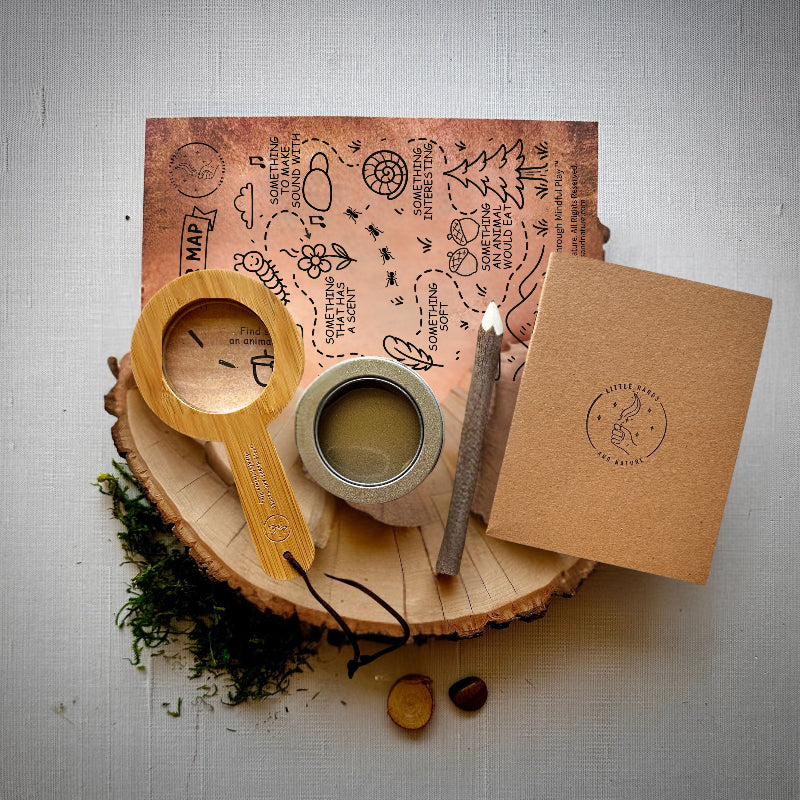
A full potion play kit can be a particularly gentle place to begin because the gathering has already been done. Little Hands and Nature makes handmade, non-toxic potion play kits in the United States for this kind of ready-to-open moment. No late-night supply hunt. No craft-store list tucked into your phone. Open the box, lay out the pieces, and begin where you are.
A simple rhythm for potion play
You do not need to explain every ingredient or create a theme before play starts. Offer one small invitation, then let the child decide.
You might say, “I wonder what happens when these colors meet.” Or, “This bowl looks like it is waiting for something.” Those few words are enough to open the door.
From there, let the rhythm stay slow. A child may pour right away. They may line up the containers first, sort pieces by color, or spend ten minutes stirring one cup with complete focus. All of it belongs. If they ask you to join, make your own potion alongside theirs rather than taking over theirs.
There is a sweet difference between helping and directing. Help with a tight lid, a refill, or a tricky pour. Then hand the next choice back: “Would you like more blue or more sparkle?” The answer does not have to make sense to anyone else. It only has to make sense in their small world.
Let the story arrive on its own
Some children narrate every step. Others work quietly, eyes fixed on the way a fizzy ingredient changes when liquid touches it. Both are deeply present forms of play.
If a story appears, you can gently step into it. Maybe the potion is for a baby dragon who lost its way in the garden. Maybe it helps flowers wake up after rain. Ask one curious question, then leave room for silence. Too many questions can turn a lovely moment into a performance.
If no story appears, that is lovely too. You can simply notice together: “That made a soft sound.” “Look how the color moved around the edge.” Small observations make children feel accompanied without asking them to explain their play.
Choosing materials that feel good to bring home
The ingredients matter because they are going into little hands, across tables, and sometimes into the back seat on the way to Grandma’s house. Look for clear information about what is included, age guidance, and how the materials are made. Non-toxic materials and thoughtful packaging bring a measure of ease to a parent who is already holding plenty.
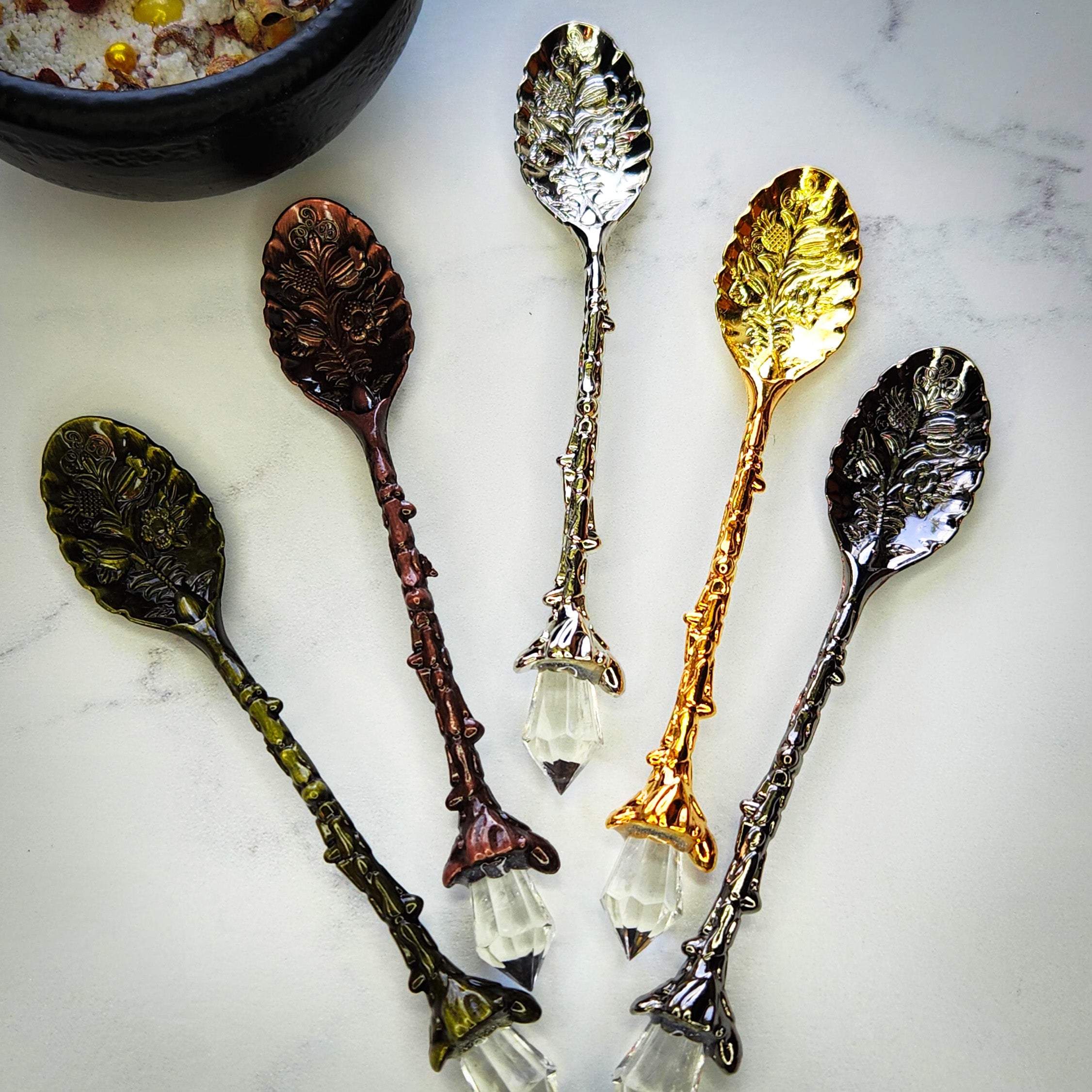
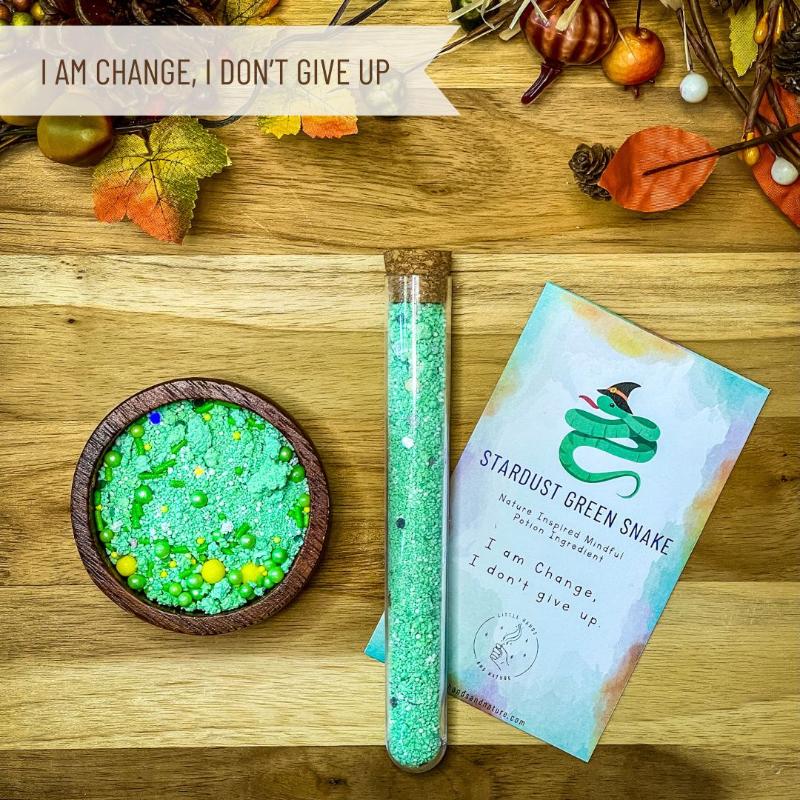
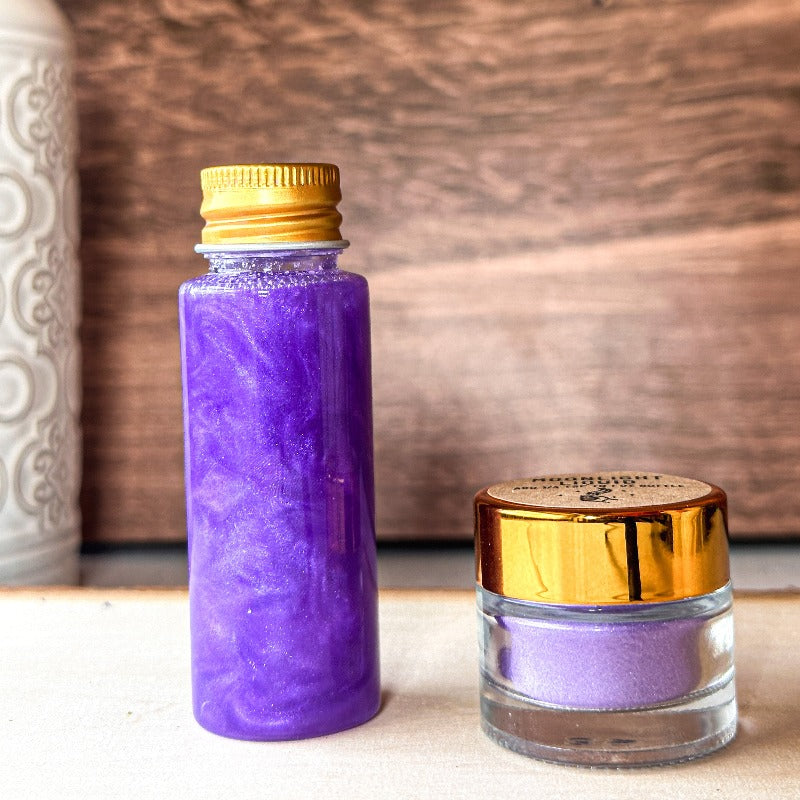
It also helps to choose play pieces with room to return. Consumable fizzy ingredients and liquid refills mean a favorite setup can live beyond one afternoon. Wooden tools, crystal spoons, cups, and themed accessories can keep finding new roles as seasons change.
A mini play pouch is a sweet choice for a road trip, a restaurant bag, or a small gift that feels personal. A full kit gives siblings or friends more to share. For a birthday gathering, party kits can place a little magic at each child’s spot without turning the day into a complicated activity station.
The right size depends on the moment. A quiet Tuesday may call for one bowl and twenty peaceful minutes. A rainy weekend may invite a larger tray, extra vessels, and a long, winding story. Neither needs to be elaborate to matter.
Make room for the mess, not a perfect one
Potion play can be tidy enough for a kitchen table and still feel wonderfully free. A rimmed tray catches loose bits. A towel nearby handles drips. Put only a small amount of each ingredient out at a time, then refill if the play asks for more.
When it is time to stop, there is no need to rush toward a perfect reset. You can name one last thing you noticed, carry the tray together, and let the bowls wait until later if dinner is calling. The moment does not lose its value because the spoon is still in the sink.
And if your child loses interest after five minutes, that is okay. Potion play is an invitation, not an appointment. Put the pieces away and bring them back another day. Familiar materials often become brand-new again when the light outside has changed or a different story is waiting.
A small ritual worth returning to
There are seasons when family life is loud and full. On those days, potion play does not need to become another thing on the calendar. Let it be a soft option waiting in the cupboard: something you can open when there is a pocket of time, when rain taps the window, or when everyone needs a reason to gather at the table.
You do not have to make the magic happen. The fizz, the color, and the child beside you will do much of that themselves. Bring a cup of tea for you, a bowl for them, and a little patience for whatever story rises up.
With love and gratitude,
The Little Hands and Nature team