
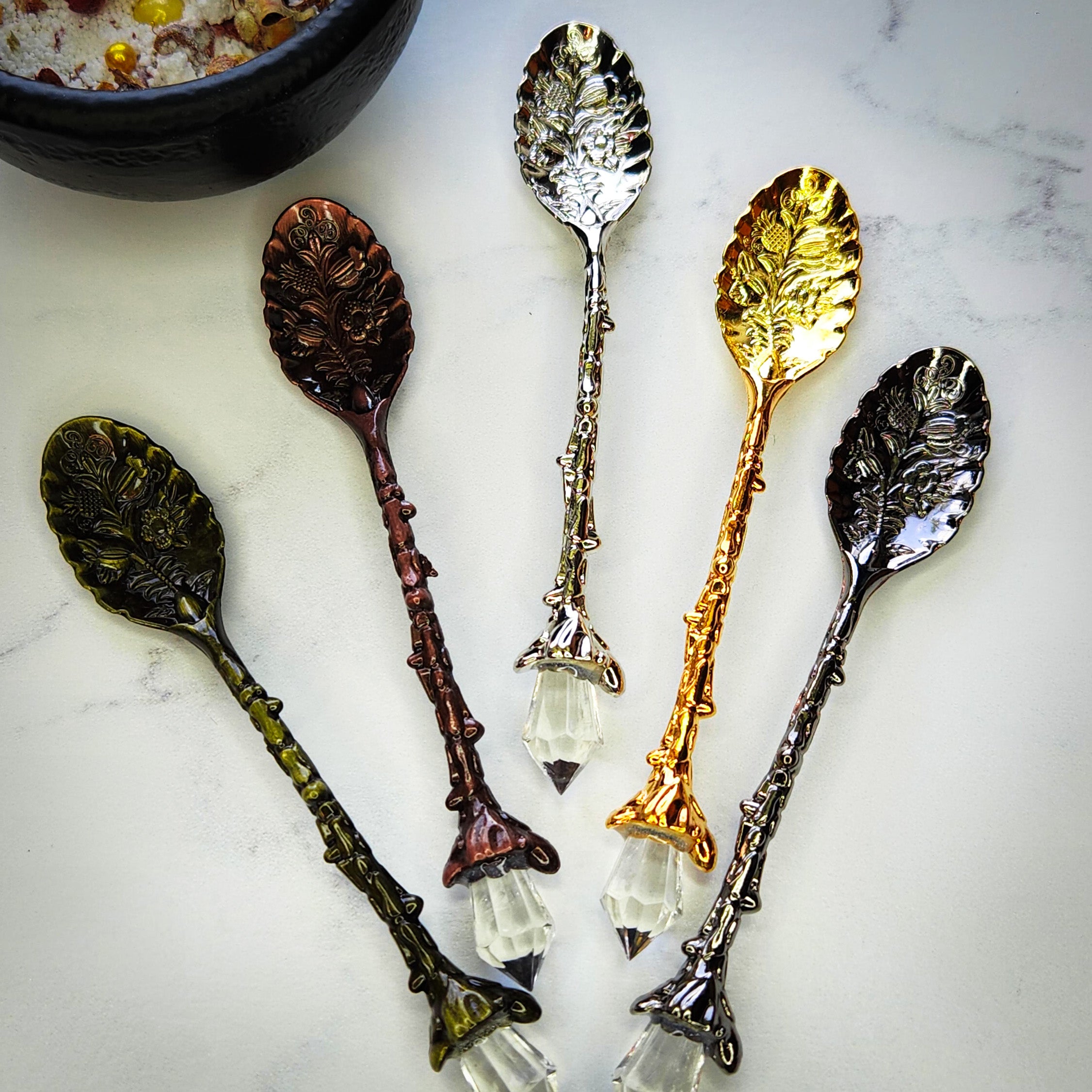


A bowl of water, a small spoon, a handful of colorful fizz, and suddenly the kitchen table has become a tiny forest spring or Mermaid's Magic lagoon. It is a lovely kind of play, but parents are right to ask: are fizzy materials non-toxic?
The short answer is: they can be. But non-toxic is not the same as edible, and it does not mean every fizzy material is made the same way. A little label-reading and a few simple boundaries make room for the part that matters most: sitting close while your child mixes, pours, wonders, and decides what their potion becomes.
What “non-toxic” means in fizzy play
When a children's play material is described as non-toxic, it generally means it is made with ingredients selected for intended hands-on use and is not expected to cause harm when used as directed. For fizzy potion play, that means a child can scoop, sprinkle, stir, and touch the materials during a supervised activity.
It does not mean the materials are food. Potion ingredients should not be eaten, tasted, or added to a cup for drinking. This is true even when an ingredient looks familiar from a kitchen shelf. A play material may include colors, fragrances, glitter, botanical pieces, or other additions that make it unsuitable for mouths.
That distinction can feel small, but it gives everyone a clear, easy rhythm: potions are for making and watching. When play is done, hands are washed, the table is wiped, and the next story can begin.
Are fizzy materials non-toxic in every kit?
No. The answer depends on the maker, the full ingredient list, and how the materials are intended to be used. “Fizz” describes what happens when certain dry ingredients meet liquid. It does not tell you what else is in the pouch, jar, or packet.
A thoughtfully made potion material often starts with simple fizzing components, then may include color or nature-inspired details. The complete blend matters. So does the care taken in making, packing, and labeling it. A clear product description should tell you that the material is non-toxic, give age guidance, and explain that adult supervision is part of play.
For children ages 3 to 10, the grown-up's role can be wonderfully uncomplicated. Set out a shallow bowl or tray, pour in a little water, and stay nearby to share the moment. A younger child may need more help keeping materials out of their mouth, while an older child may be ready to invent an entire Fairy Crystal rescue mission with only a spoon and a few cups.
What to look for before potion play
You do not need a chemistry degree or an hour of research before opening a play kit. A few calm checks are enough.
First, look for plain language. The packaging or product page should say whether the materials are non-toxic and include an age recommendation. It should also make clear that the ingredients are for play, not eating or drinking.
Next, consider the whole kit, not just the fizz. Small accessories, loose decorative pieces, wooden tools, liquids, and containers each have their own use and age considerations. If a child still explores with their mouth, choose materials and tools with that stage in mind, and keep small pieces put away until they are a better fit.
It also helps to know who made the materials and where. Handmade in the United States can mean there are real hands and real attention behind each batch, though it is still wise to read the individual directions. At Little Hands and Nature, our potion play materials are made for hands-on wonder, with non-toxic ingredients and clear use guidance because trust belongs in the box along with the color and fizz.
Finally, if your child has known sensitivities or you are unsure about a particular ingredient, pause and check the product information before play. The best setup is the one that lets you settle in comfortably beside them.
A simple way to set up fizzy play
The nicest potion invitations are often the least complicated. Put a tray or baking sheet on the table, floor, porch, or patio. Add a bowl, a few cups, a spoon, and a small amount of water. Set out only the ingredients you plan to use, rather than opening every packet at once.
Then let the child lead the story.
Some children will pour slowly and watch each bubble disappear. Others will build a bright, bustling world with leaves, pebbles, and tiny treasures gathered from the yard. There is no finished picture to get right. A purple fizz might be rain for a sleepy garden, a dragon's bath, or simply purple fizz because purple is the color they wanted today.
For a less messy indoor moment, begin with a tray and small pinches of ingredients. Add water a spoonful at a time rather than pouring from a large cup. Outdoors, a larger bin can hold more water and leave room for bigger ideas. Either way, a towel nearby makes cleanup feel ordinary instead of like an interruption.
The few boundaries that keep play clear
Potion play does not need many rules. It does benefit from a few that are easy to repeat.
Keep the materials on the tray or in the bin. Keep them away from mouths, eyes, and pets. Use them with a grown-up nearby. Wash hands after play, especially before snacks or meals.
If dry powder gets on clothing or the table, brush or wipe it away before adding water. If a child gets material in their eyes, rinse gently with clean water and follow the package directions if additional care is needed. For an unexpected ingestion or a question about a specific ingredient, use the product label and contact the appropriate medical or poison help resource for guidance.
These are not meant to make the moment feel formal. They are simply the edges of the play space, like the sides of a garden bed. Inside them, there is plenty of room for imagination.
Fizz, fragrance, and personal preference
Non-toxic does not mean every child or family will enjoy every kind of sensory detail. Some children love a fragrant, colorful cloud of fizz. Others prefer unscented materials, quieter colors, or a simple water-and-scoop setup.
That is useful information, not a problem to solve. You can choose a smaller mini play pouch before bringing home a larger kit, use fewer materials at a time, or save a particular color for another day. Refill ingredients are especially helpful when a child finds the blend they return to again and again.
The same goes for mess. Some families are happy to make a wide, bubbling pond on the patio. Others want twenty gentle minutes at the kitchen table before dinner. Both count. The purpose is not a picture-perfect activity. It is a small opening in the day where hands are busy and people are together.
Choosing materials you can feel good about
The question “are fizzy materials non-toxic?” is really a question about care. Care in the ingredients. Care in the labeling. Care in how a product is made and how it arrives at your door. And care in the ordinary choices around the table: a tray beneath the bowl, a nearby adult, clean hands when the play is finished.
Choose materials with clear information, use them as intended, and keep the setup simple enough that you can join in. A spoonful of water, a little fizz, and someone you love sitting beside you can be more than enough.